
Home › Massachusetts › Lowell
Foundation Repair and Basement Waterproofing in Lowell, MA
About 60% of Lowell's sewer pipes carry sewage and stormwater together, and nearly a third of the city's homes were built before 1900, so a Lowell basement can take water from the ground, the river and the sewer. Call (978) 800-2819 or use the form. A person reads every request and replies with what happens next.
- Free for homeowners
- City and state rules on this page
- Centralville to the Highlands
Ask About Basement Service in Your Area
Tell us about the building and what the water is doing. A person reads it and replies with what happens next.
Please add your name, a 10-digit phone number and a valid email.
Your request didn't go through on our end. Please call (978) 800-2819 so it isn't lost.
Too many requests have come from this connection in a short time. Please call (978) 800-2819 and we'll take it from there.
We couldn't finish the spam check. Wait a moment and send it again, or call (978) 800-2819.
Basements in Lowell
What's happening in the basement?
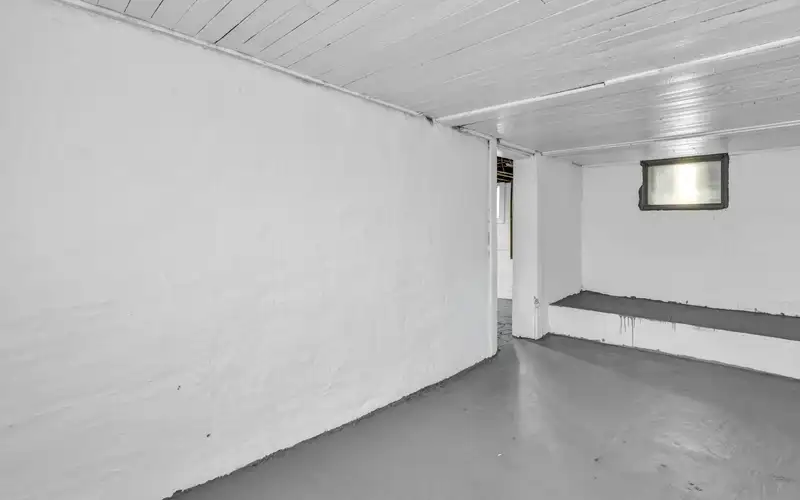
Waterproofing & Drainage
Wet walls, seepage at the floor joint and spring water in the basement, handled with interior drains, exterior work or both.
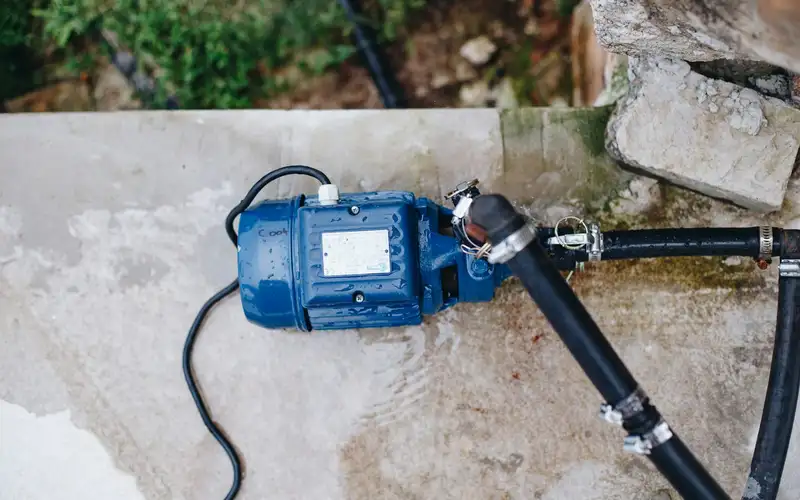
Sump Pumps
New pits, replacement pumps and battery backups, with the discharge going somewhere your town allows.
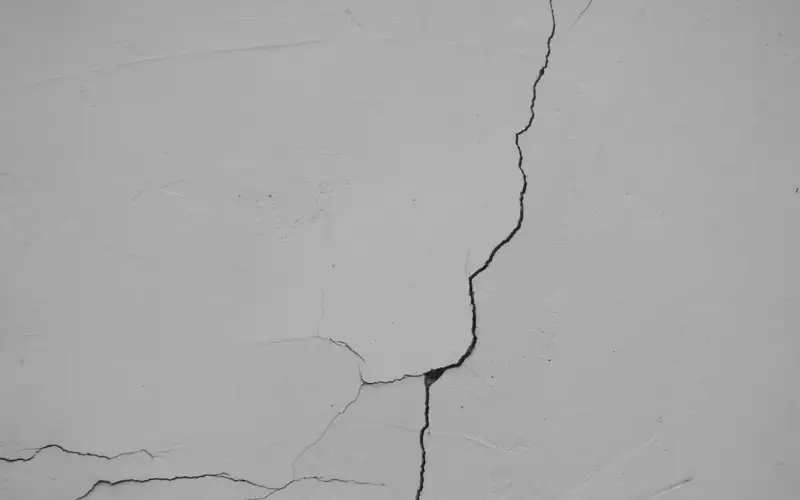
Foundation Cracks & Repair
Leaking cracks, bowing or settling walls and failing mortar in old fieldstone, with an engineer brought in when the job is structural.
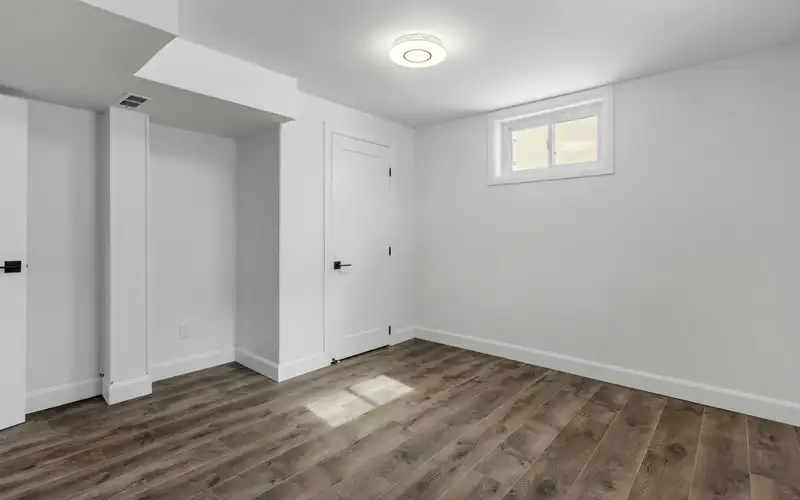
Crawl Spaces & Finishing
Damp crawl spaces sealed up, and dry basements turned into finished space with the right permits.
Water, sewage or both?
(978) 800-2819Tell us when it shows up and where it comes in, and we'll help you work out what kind of job it is.
Permits
Permits and rules for basement work in Lowell
Building permits in Lowell come from the Division of Development Services at City Hall, 375 Merrimack Street, second floor, Room 55. The city posts a residential building permit application and a permit checklist (Building Permits). Its online system takes plumbing, gas, electrical, sheet metal, roofing, siding, window, insulation and solar permits, but the city says it doesn't accept new construction or remodel and alteration permits online, so a basement renovation is filed in person (Online Permitting).
- Development Services
- 375 Merrimack Street, 2nd floor, Room 55; 978-674-4144
- Remodel and alteration permits
- In person only, not online
- Building fee
- $50 up to $1,000 of construction cost, plus $10 per $1,000 above that (as posted November 2026)
- New 1–2 family foundation
- $150 per unit
- Plumbing and gas
- $50 up to $1,000, plus $10 per additional $1,000
- Work without a permit
- Triple the initial fee
- Sewer work
- Written permit from the Executive Director; licensed drain layers only
What it costs to file. The building permit fee page lists $50 for construction costing up to $1,000, plus $10 per $1,000 or fraction above that, for alterations as well as new work; a $50 re-inspection fee; and triple the fee when work starts without a permit. The page has no date, and the city says its fees follow the Fee Ordinance and can change without notice (Building Permit Fees; Development Services Fees). Plumbing and gas permits, which cover the piping side of a sump or a backwater valve, follow the same $50 plus $10 per $1,000 pattern (Plumbing and Gas Permit Fees).
Which basement jobs need a permit. Lowell's permit page doesn't list basement jobs by name. Massachusetts law makes it unlawful to construct, alter, repair or demolish a building without a permit, exempts ordinary repairs, and always requires one for substantially cutting away a wall or removing a beam or load-bearing support (780 CMR R105). The state's guidance chart marks structural carpentry, insulation, wallboard and new windows as permitted work (state HIC chart), which covers most of a finished basement and any new egress window. Whether an interior drain counts as an ordinary repair is up to the building official.
The sewer side. Connecting to or altering a public sewer takes a written permit from the Executive Director, and only drain layers licensed by the Commissioner of Public Works can enter the city's drains and sewers. The ordinance also says the building sewer should come into the building below the basement floor whenever possible (Lowell Code ch. 272, part 2).
Finished rooms below grade. Habitable basement space needs a ceiling at least 6 feet 8 inches high, and Massachusetts requires photoelectric smoke alarms and a carbon monoxide alarm on every story, basements included (780 CMR chapter 3). Most Lowell homes predate 1978, and disturbing paint in them calls for a licensed lead-safe renovation contractor (lead-safe renovation).
Who you hire. Improvement work on an owner-occupied home of one to four units generally needs a registered Home Improvement Contractor; check the registration on the state's Contractor Hub. On one- and two-family homes a licensed construction supervisor or registered design professional has to oversee the work (construction supervisor rules). A job over $1,000 needs a written contract, and the deposit is capped at one-third of the price unless special-order materials cost more (M.G.L. c.142A §2). The state code doesn't require an engineer for foundation repair as such, but the building official can call for more construction documents, and in a flood hazard area they must be sealed by a registered design professional (R107.1, R322.1). Digging outside the foundation is excavation under state law, so Dig Safe must get at least 72 hours' notice, not counting weekends and holidays (M.G.L. c.82 §40A).
Last verified November 2026. Fees, restrictions and deadlines on this page are due for re-checking by December 2026. New England Basement Pros is a referral service. We don't pull permits or do basement work; the contractor files the permit.
Water
Where the water comes from in Lowell
A combined sewer. The city's 2020 Hazard Mitigation and MVP Plan, adopted by the City Council on May 11, 2021, says about 60% of Lowell's sewer system combines sewage and stormwater (Lowell HM-MVP Plan). In rain, large amounts of stormwater enter the system, sometimes pushing flows past 100 million gallons a day, and the city runs infiltration studies to keep groundwater and river water out of the pipes (Collection System). When a basement takes on sewage rather than clean water during a storm, that's the system to ask about.
Where foundation water may go. Lowell's sewer ordinance bars roof downspouts, exterior foundation drains, areaway drains and other groundwater sources from any building sewer or drain tied to the public sanitary sewer, and bars stormwater and groundwater from the sanitary sewer without the Executive Director's permission; that water belongs in a combined sewer, a storm sewer or a natural outlet the Executive Director approves (ch. 272 §§ 38, 42, 43). Sump pumps aren't named. The storm drain ordinance, amended January 2, 2024, bans illicit connections but lists foundation drains, footing drains and water from crawl space pumps as allowed discharges if they cause no nuisance and no damage to city assets (ch. 272 art. X). Before a contractor picks an outlet, ask the city's Engineering office, 978-674-1620 (Stormwater Management).
Backups and check valves. The city's Sewer Backup Prevention Cost Sharing Program, paid for with federal ARPA money, reimbursed up to $5,000 per property for check valves and related piping on combined-sewer properties at higher risk of backups. It required a plumbing permit, left maintenance to the owner, and didn't cover overland flooding or defects in private laterals. Applications closed on November 1, 2024 (program details).
Separation work under way. The Wastewater Utility's Phase 3 Sewer Separation project is removing inflow from the collection system, with smoke testing scheduled for November 2026 (update dated October 29, 2026) and Sewer Work Notices going to affected residents. The Centralville Sewer Separation was set to begin in March 2026 (update dated February 3, 2026) to take Humphrey's Brook and nearby wetlands out of the sewer, and the Douglas Storage Tank project is aimed at flood relief around Douglas and Windward in Belvidere. Residents can sign up for overflow alerts on the same page (Wastewater Utility).
Merrimack River
The open space plan calls flooding an acute problem in places near the river, worst near the north bank by the Rourke Bridge.
Lakeview Avenue and Beaver Brook
Protected by a flood damage reduction system the Army Corps of Engineers built in 1941 after the 1936 and 1938 floods; the West Street Pump Station was added later.
Concord River
The plan says lands near the Concord also suffer from severe flooding.
Black, Clay Pit and Marshall Brooks
Black Brook areas flood and erode every year, the plan says, with flooding along Clay Pit and Marshall Brooks too.
Flood history. The 2019–2026 Open Space and Recreation Plan says flooding often happens in the spring, and that floods in 2006 and 2007 each reached the 100-year flood elevation (Open Space and Recreation Plan). The hazard mitigation plan classifies flooding as a high frequency event, names stormwater and riverside flooding as the most common hazard, and notes that poorly designed stormwater systems can cause localized flooding in heavy rain. During a river flood the city puts up a temporary flood wall across Beaver Street (Flood Protection).
Sand, gravel and till. The open space plan describes stratified sand, silt and gravel along the watercourses, ice-contact deposits more than 140 feet thick in places, and glacial till over bedrock on the higher ground. Check your address on FEMA's Flood Map Service Center; flood insurance covers a basement's furnace, water heater, sump pump and foundation elements but not finished walls, floors or most belongings (FEMA).
Digging near water. Lowell's wetlands ordinance requires Conservation Commission permission to remove, fill, dredge, alter or build within 100 feet of the bank of any perennial or intermittent stream, lake, river or pond, and it also covers land subject to flooding (Lowell Code ch. 280). Exterior drainage along a brook goes to the Conservation Commission first.
Lowell's homes
Old buildings, many of them multifamily
Lowell's Housing Production Plan for 2024–2028 says 77% of the city's housing was built before 1960, nearly a third before 1900, and only 4% after 2000, and that older homes generally cost more to maintain and are in poorer condition than newer ones (Housing Production Plan). The open space plan puts nearly half the housing stock before 1940. The city plans we read don't record foundation types, so how your basement walls were built is something to have the contractor look at in person.
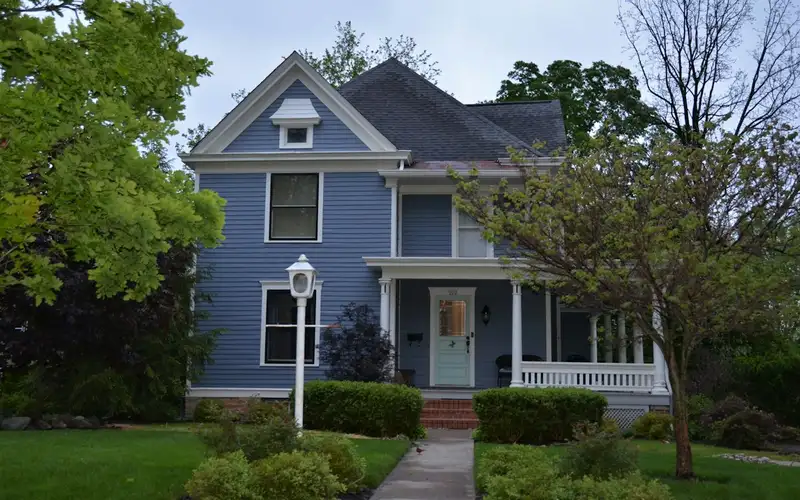
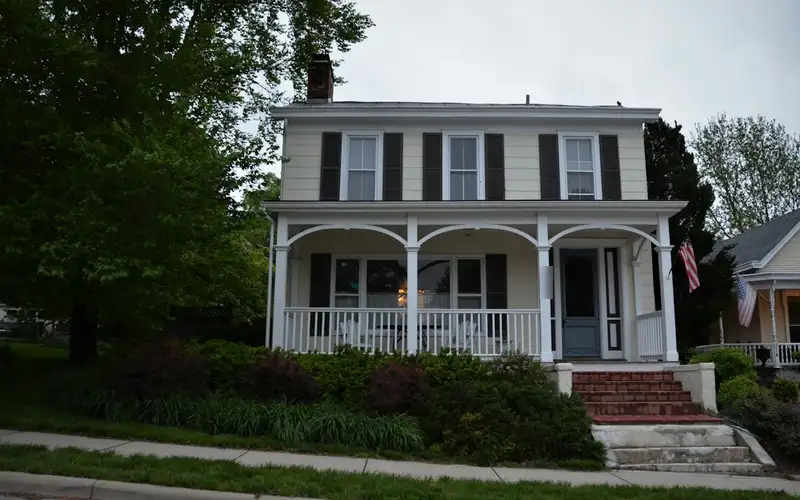
Historic review. The Lowell Historic Board has authority in 11 districts: the Downtown Lowell Historic District and ten neighborhood districts, among them the Acre, Andover Street, Belvidere Hill, South Common, Tyler Park and Wannalancit Street. The neighborhood districts were created to review demolition and new construction, and the board advises contacting it to learn whether exterior work needs its review is to contact its staff (Review Districts and Permitting; district list). Ask before adding a bulkhead, window well or exterior drain line in one of them.
Radon
Radon in a Lowell basement
We couldn't retrieve a Lowell radon figure from the state's dashboard. Middlesex County is one of three Massachusetts counties, with Essex and Worcester, where new one- and two-family homes must have a passive radon mitigation system, and the state publishes test results by city and town on its residential radon tracking page. State guidance we checked in November 2026 says to test at the lowest livable level between November 1 and March 31, strongly recommends mitigation at 4.0 pCi/L and says it should be considered from 2.0 to 4.0 (testing your home for radon). Test before you turn the basement into living space.
FAQ
Lowell basement questions
Can I connect a foundation drain or sump to the sewer in Lowell?
Not to the sanitary sewer. Lowell's sewer ordinance bars connecting roof downspouts, exterior foundation drains, areaway drains or other groundwater sources to a building sewer that reaches the public sanitary sewer, and bars discharging groundwater or stormwater to it without the Executive Director's permission. The storm drain ordinance lists foundation drains, footing drains and crawl space pump water as allowed if they cause no nuisance or damage to city assets.
Is the city still paying for check valves?
No. Lowell's Sewer Backup Prevention Cost Sharing Program reimbursed up to $5,000 for check valves on higher-risk combined-sewer properties, but applications closed on November 1, 2024. The program required a plumbing permit, and the owner maintains the valve.
Can I file a basement remodeling permit online in Lowell?
No. The city's online permitting takes trade permits such as plumbing, electrical and insulation, but says it doesn't accept new construction or remodel and alteration permits online. Those are filed in person at Development Services, 375 Merrimack Street.
Does Lowell flood?
Yes. The city's 2019–2026 Open Space and Recreation Plan says floods in 2006 and 2007 each reached the 100-year flood elevation, and names flooding near the Merrimack and Concord Rivers and along Black Brook, Clay Pit Brook and Marshall Brook. The city's 2020 hazard mitigation plan calls flooding a high frequency event.
What does it cost me to use New England Basement Pros?
Nothing. Asking is free for homeowners; the contractor prices the job, and the price and contract are between you and them.
Nearby