
Home › New Hampshire
Basement Work in New Hampshire: What Homeowners Should Know
We refer basement contractors in Greater Nashua, the Derry, Salem and Windham area, Greater Manchester and the Seacoast. Each town page covers permits, sump discharge and flood zones as far as that town's own sources let us confirm them. Call (978) 800-2819 or send the form. A person reads every request and replies with what happens next.
- Free for homeowners
- NH rules in plain English
- Nashua to the Seacoast
Ask About Basement Service in Your Area
Tell us what the basement is doing and when it happens. A person reads it and replies with what happens next.
Please add your name, a 10-digit phone number and a valid email.
Your request didn't go through on our end. Please call (978) 800-2819 so it isn't lost.
Too many requests have come from this connection in a short time. Please call (978) 800-2819 and we'll take it from there.
We couldn't finish the spam check. Wait a moment and send it again, or call (978) 800-2819.
Service area
New Hampshire towns we cover
In New Hampshire, building permits come from each town, and where a sump pump may discharge is a town or sewer utility rule, so each town page covers its building department, its sewer rules and its flood zones as far as that town's own sources let us confirm them. Towns without a page yet are still in our area; send a request from any of them.
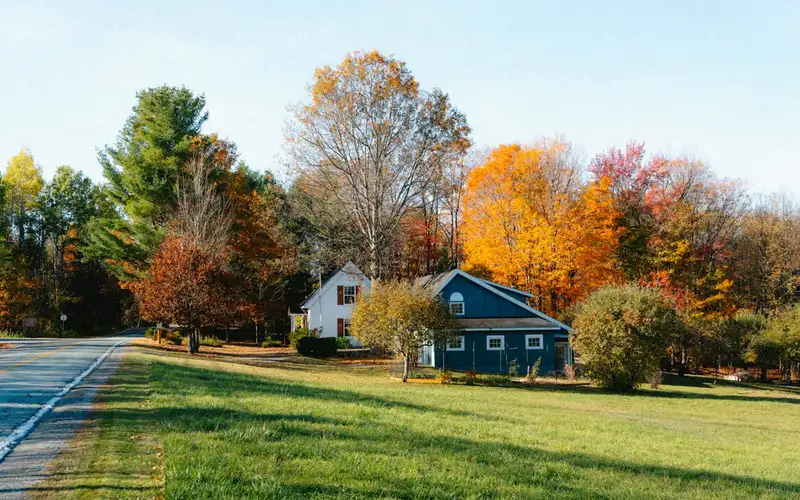
Nashua Region
Salem, Derry & Londonderry
Manchester & Bedford
Portsmouth, Dover & Rochester
State rules
The state laws that shape a New Hampshire basement job
Contractors and contracts. The Attorney General's office says, "In New Hampshire, contractors do not need to be licensed." It advises getting a written contract before any work or payment, with a detailed scope of work, the materials, the total price and a payment schedule, asking for references and proof of insurance, and treating a down payment over 50% of the final cost as a warning sign (NH Attorney General). Complaints go to the Consumer Protection Hotline at 1-888-468-4454 (Consumer Protection Hotline).
When something goes wrong. The residential construction defects law covers anyone who repairs or modifies an existing home. Before suing, a homeowner must give the contractor written notice of the claim at least 60 days ahead, and the contractor has 30 days to respond with an offer, an inspection proposal or a rejection. On contracts over $5,000, the contractor must give you a conspicuous written notice of this process (RSA 359-G). Separately, the Consumer Protection Act lets a person hurt by an unfair or deceptive practice recover actual damages or $1,000, whichever is greater, and two to three times that for a willful or knowing violation (RSA 358-A).
Permits come from the town. Issuing building permits under the state building code is reserved to towns, cities, counties and village districts, and local codes stricter than the state's stay in force (RSA 155-A:2). Finishing a basement, adding an egress window or repairing a foundation falls under the state building code as adopted in New Hampshire, and your town building department says what needs a permit.
The code changed this year. The 2024 New Hampshire State Building Code took effect July 1, 2026, with a concurrence period from July 1 to December 31, 2026 in which either the 2021 or the 2024 codes may be used; beginning January 1, 2027, permit requests follow the 2024 codes (Town of Merrimack code page).
Plumbing. State law defines plumbing to include piping and fixtures connected with sanitary or storm drainage within or next to a building, up to the first fitting past the foundation wall or 5 feet from the building (RSA 153:27). Plumbers must be licensed, except an owner working in his or her own single-family home or townhouse, and that work still needs local permits and inspections (Mec 300). Licensing questions go to OPLC at 603-271-2152 (Mechanical Licensing Board).
Electrical. Electrical installations made for pay must be made by a licensed electrician; a homeowner may do the work in a single-family home he or she owns and lives in (RSA 319-C).
Digging. Excavation includes drilling, grading, boring and trenching. Within 100 feet of an underground facility, notice is required at least 72 hours ahead, not counting weekends and legal holidays, and no more than 30 days ahead; the ticket is good for 30 days and the excavator must white-mark the dig area (RSA 374:48 and 374:51). Dig Safe is free at 811 or 888-344-7233 (Dig Safe).
Last verified November 2026. Fees, restrictions and deadlines on this page are due for re-checking by January 2027.
Water and air
Sump water, radon, flood maps and shoreland
Not into the sewer. State rules say roof downspouts, exterior or interior foundation drains, sump pumps and other surface runoff "shall not be directly or indirectly connected to a public sewer," and groundwater from foundation drains and sump pumps is to be kept out of the sanitary sewer (Env-Wq 704.01 and 704.20). Where the water may go instead is up to your town or sewer utility.
Radon. Radon comes from uranium in New Hampshire's granite and soil and gets in through the foundation; testing is the only way to know whether a home has it, and the state Radon Program offers free test kits (NH Radon Program). Test in the lowest livable area, usually the basement; EPA recommends fixing at 4 pCi/L or higher and the state suggests considering it from 2.0 to 4.0. New Hampshire does not license mitigation professionals, and the program is at (603) 271-1708 (testing your home). In the state's August 2023 data brief, about 37% of the 32,747 homes tested from 2007 to 2021 were at or above 4 pCi/L, with Carroll, Rockingham and Strafford counties highest (NH radon data brief).
Flood maps. Look up your property's official flood map on FEMA's Flood Map Service Center before you put money into a finished basement (FEMA Flood Map Service Center).
Waterfront lots. Within protected shoreland, 250 feet of public waters, nobody may start construction, excavation or filling without a shoreland permit from NHDES, though projects with no impact on water quality that follow NHDES rules may qualify for a permit by notification (RSA 483-B:5-b). NHDES takes questions at (603) 271-2147 (NHDES protected shoreland).
Mold. The state health department says most indoor mold comes from too much moisture: fix leaks, dry wet areas quickly, keep humidity below 60%, and don't paint over moldy surfaces (NH mold and moisture).
What we refer
Basement jobs, explained for New Hampshire homeowners
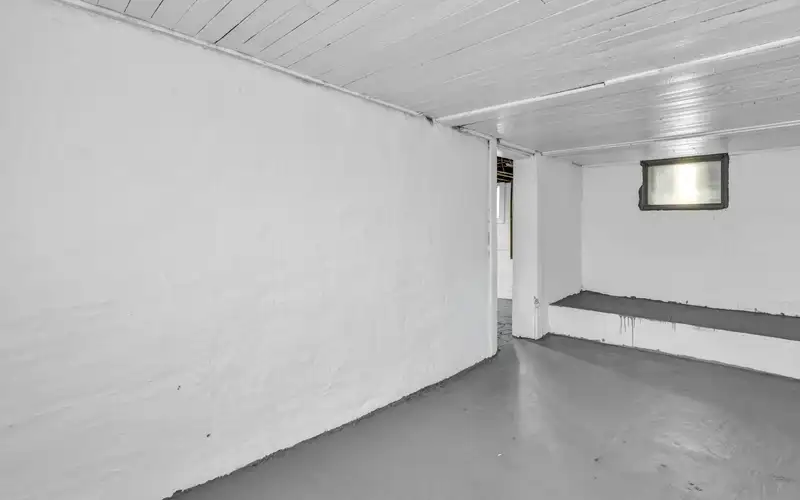
Waterproofing & Drainage
Wet walls, seepage at the floor joint and spring water in the basement, handled with interior drains, exterior work or both.
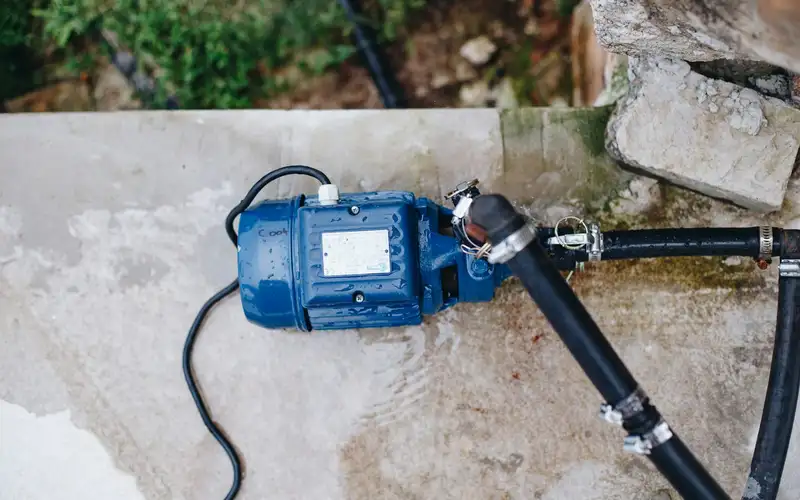
Sump Pumps
New pits, replacement pumps and battery backups, with the discharge going somewhere your town allows.
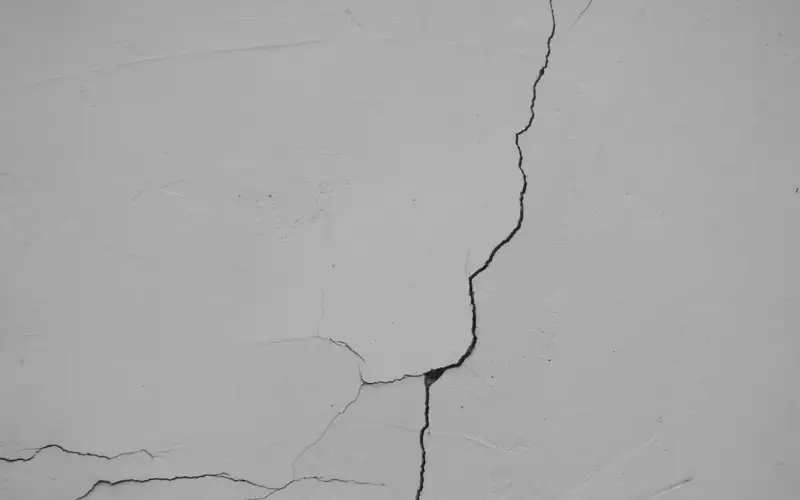
Foundation Cracks & Repair
Leaking cracks, bowing or settling walls and failing mortar in old fieldstone, with an engineer brought in when the job is structural.
Crawl Spaces & Finishing
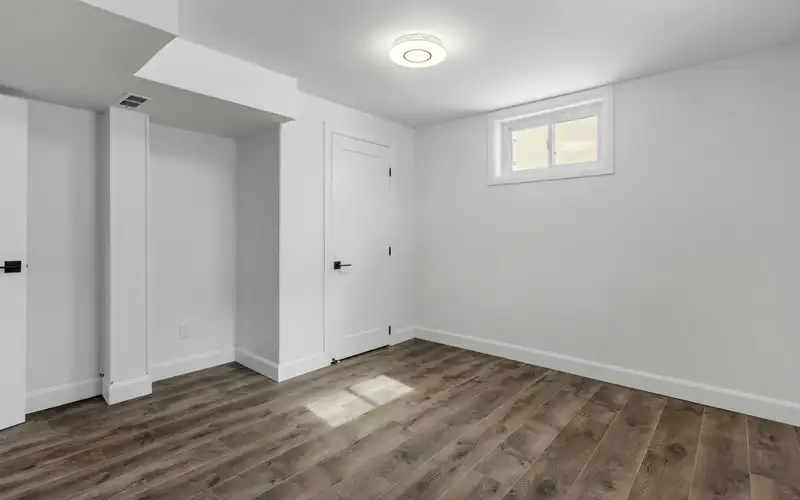
Damp crawl spaces sealed up, and dry basements turned into finished space with the right permits.
FAQ
New Hampshire basement questions
Does a basement contractor need a state license in New Hampshire?
The Attorney General's office says that in New Hampshire, contractors do not need to be licensed. Plumbing and electrical work are the exceptions: plumbers are licensed by the Mechanical Licensing Board and electricians under RSA 319-C. Ask for references and proof of insurance, and get a written contract before any work or payment.
Which building code applies to my basement job right now?
New Hampshire moved to the 2024 State Building Code on July 1, 2026, and through December 31, 2026 permits may be filed under either the 2021 or the 2024 codes. From January 1, 2027, permit requests follow the 2024 codes. Your town building department issues the permit.
How much should I put down?
Agree on a payment schedule in a written contract first. The Attorney General flags a down payment of more than 50% of the final cost as a warning sign, and the state's 2023 and 2024 cases against home contractors involved deposits taken and little or no work done.
Should I test for radon before finishing the basement?
The state Radon Program says testing is the only way to know, and it offers free test kits to residents. Test in the lowest livable area. In a 2023 state data brief, about 37% of the homes tested from 2007 to 2021 were at or above 4 pCi/L, the level at which EPA recommends fixing.
What does it cost me to use New England Basement Pros?
Nothing. The request and the referral are free; the contractor prices the work.