
Home › New Hampshire › Salem
Foundation Repair and Basement Waterproofing in Salem, NH
Salem's sewer code bars foundation drains from the sanitary sewer, and its floodplain rules ban new buildings in flood hazard areas outright, with flooding on the Spicket River recorded back to 1936. Call (978) 800-2819 or use the form. A person reads every request and replies with what happens next.
- Free for homeowners
- Town and state rules on this page
- Spicket River to Canobie Lake
Ask About Basement Service in Your Area
Tell us about the basement and what the water is doing. A person reads it and replies with what happens next.
Please add your name, a 10-digit phone number and a valid email.
Your request didn't go through on our end. Please call (978) 800-2819 so it isn't lost.
Too many requests have come from this connection in a short time. Please call (978) 800-2819 and we'll take it from there.
We couldn't finish the spam check. Wait a moment and send it again, or call (978) 800-2819.
Basements in Salem
What's happening in the basement?
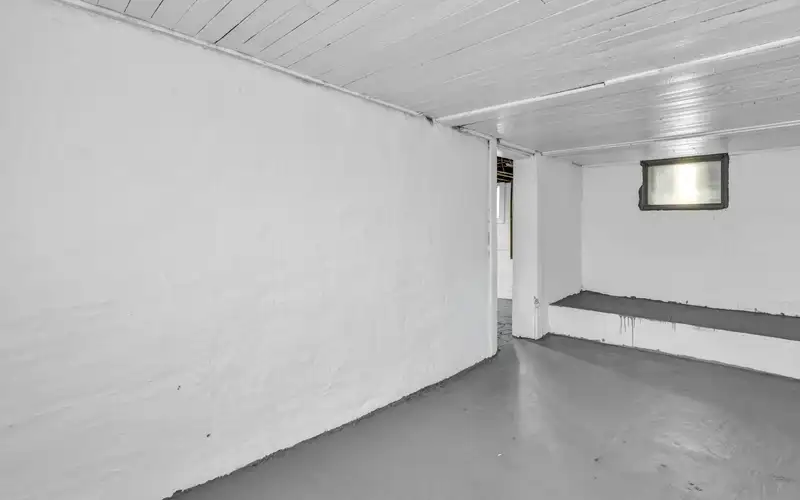
Waterproofing & Drainage
Wet walls, seepage at the floor joint and spring water in the basement, handled with interior drains, exterior work or both.
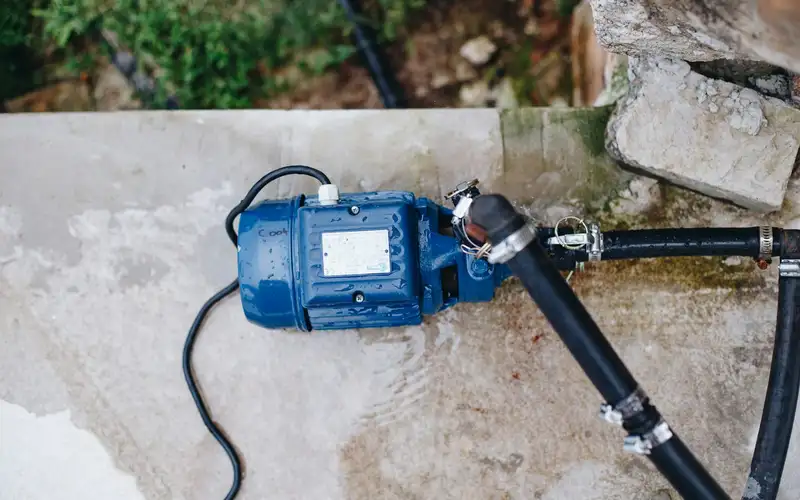
Sump Pumps
New pits, replacement pumps and battery backups, with the discharge going somewhere your town allows.
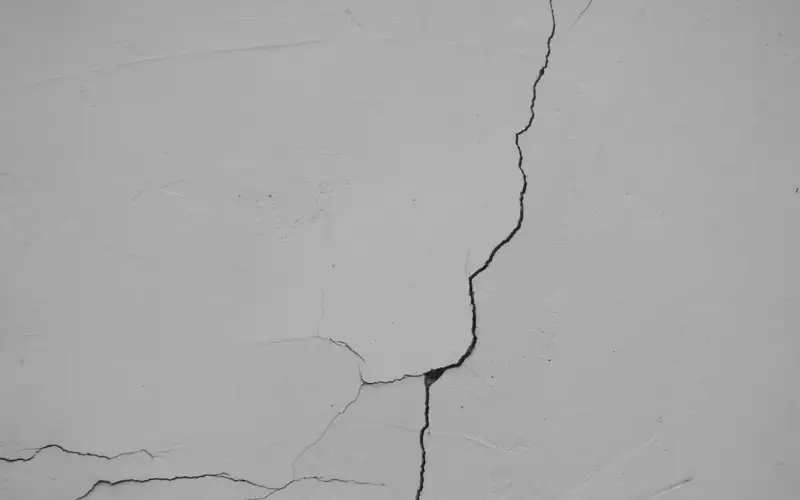
Foundation Cracks & Repair
Leaking cracks, bowing or settling walls and failing mortar in old fieldstone, with an engineer brought in when the job is structural.
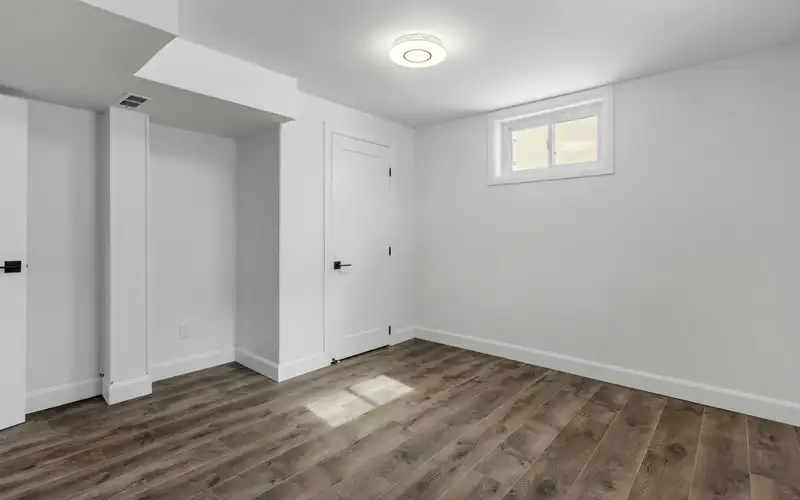
Crawl Spaces & Finishing
Damp crawl spaces sealed up, and dry basements turned into finished space with the right permits.
Not sure what it needs?
(978) 800-2819Tell us where the water comes in and whether the house is near the river or a lake, and we'll help you work out the job.
Permits
Permits and rules for basement work in Salem
Building permits in Salem come from the Inspectional Services Division of the Fire Department at 33 Geremonty Drive, 603-890-2020. Applications go in on the town's OpenGov portal; trade permit applications need a copy of the license and a photo ID, building permits are taken at the counter from 8:30 to 9:30 am on weekdays and 3:30 to 4:30 pm Monday through Thursday, and inspections are booked on the recorded line, 603-685-6415 (Inspectional Services Division).
- Permits issued by
- Inspectional Services Division, Salem Fire Department, 33 Geremonty Drive, 603-890-2020
- Apply online
- OpenGov; license copy and photo ID for trade permits
- Additions and alterations
- $6.50 per $1,000 of construction value
- Foundations
- $150 flat
- After-the-fact permits
- Twice the normal fee
- Sewer
- Foundation and areaway drains barred from the sanitary sewer
Posted fees. The town's fee schedule, adopted in October 2024 and effective January 1, 2025, charges $6.50 per $1,000 of construction value for additions and alterations and $150 flat for foundations. A reinspection is $100, an after-the-fact permit costs twice the normal fee, and residential plumbing additions or alterations are $100 plus $16 per fixture (Building and Fire Fee Schedule). The schedule has no finished-basement line, and the town doesn't say which basement jobs need a permit, so ask the division before finishing, waterproofing or egress work starts. New Hampshire's 2024 building code took effect July 1, 2026, and through December 31, 2026 permits may be filed under either the 2021 or the 2024 codes (state code change).
Contractor rules. According to the Attorney General's office, "In New Hampshire, contractors do not need to be licensed." It advises a written contract before any work or payment that spells out the scope, materials, total price and payment schedule, and warns that a down payment above 50% of the final cost is a sign of trouble (NH Attorney General). Plumbing and electrical work need state-licensed trades, apart from an owner working in their own single-family home (Mec 300; RSA 319-C). Contracts over $5,000 must include the RSA 359-G defect notice (RSA 359-G). Problems can be reported to the Consumer Protection Hotline, 1-888-468-4454 (hotline). Any outside excavation needs a Dig Safe ticket at least 72 hours ahead, excluding weekends and holidays (Dig Safe; RSA 374:51).
Last verified November 2026. Fees, restrictions and deadlines on this page are due for re-checking by January 2027. New England Basement Pros is a referral service. We don't pull permits or do basement work; the contractor files the permit.
Water
Where the water comes from in Salem
Keep it out of the sewer. Salem's sewer ordinance says roof downspouts, foundation drains, areaway drains and other sources of surface runoff or groundwater may not be connected to a building sewer or drain that leads to the public sanitary sewer (§398-4), and unpolluted water belongs in storm sewers, not sanitary ones (Chapter 398). The town's 2017 Sewer Master Plan explains why: the collection system dates from the 1960s, and infiltration accounts for about 91% of the extra water getting into it, inflow about 9%. The plan also notes that Salem's sewage goes to the Greater Lawrence Sanitary District, which caps the town's maximum-day flow at 9 MGD against a projected buildout of 9.1 MGD (2017 Sewer Master Plan). We didn't find a town rule on where a sump may discharge instead; ask Salem's public works staff before the line is run.
Floodplain limits. Salem adopts the Rockingham County flood study and maps dated May 17, 2005, or as amended, and "The construction or placement of new buildings and structures in any special flood hazard area is prohibited." Additions and replacements of existing buildings need a permit and a supplemental floodplain application; a residential lowest floor, including the basement, must sit at least one foot above the base flood elevation; and fill must be offset with flood storage "equal to twice the amount of encroachment." The Chief Building Official is the floodplain administrator (§490-705). Look up your address on FEMA's Flood Map Service Center.
The Spicket River. An older Natural Resources chapter of the master plan dates Spicket River flooding to 1936 and lists other major floods in March 1968, May and June 1984, March and April 1987, October 1996 and June 1998 (Natural Resources chapter). The Conservation Commission's May 2026 Open Space Master Plan counts 10.9 miles of the Spicket plus Policy, Porcupine and Hitty Titty Brooks, puts wetlands at 16.4% of the town's land and water area, and says aquifers underlie the center of town (2026 Open Space Master Plan). The town began updating its 2018 Hazard Mitigation Plan in July 2024, with inland flooding among the hazards (town announcement); as of November 2026 we didn't find the updated plan online.
Wetland and shoreline setbacks. Salem requires an undisturbed natural buffer of at least 20 feet around every regulated wetland and 100 feet around prime wetlands, and "No building or surface structure shall be constructed within 40 feet of a wetland area"; additions to lawfully existing one- and two-family homes are among the exemptions (§490-706). Structures must also stay 40 feet from the high-water mark of lakes and streams, 50 feet on state-protected shoreland (shoreland setbacks), which the Conservation Commission's brochure lists as Captains Pond, Canobie Lake, World's End Pond, Arlington Pond, Millville Pond, Shadow Lake and the Spicket River (wetland and shoreland brochure).
Salem's homes
A 1970s building boom and seasonal homes turned year-round
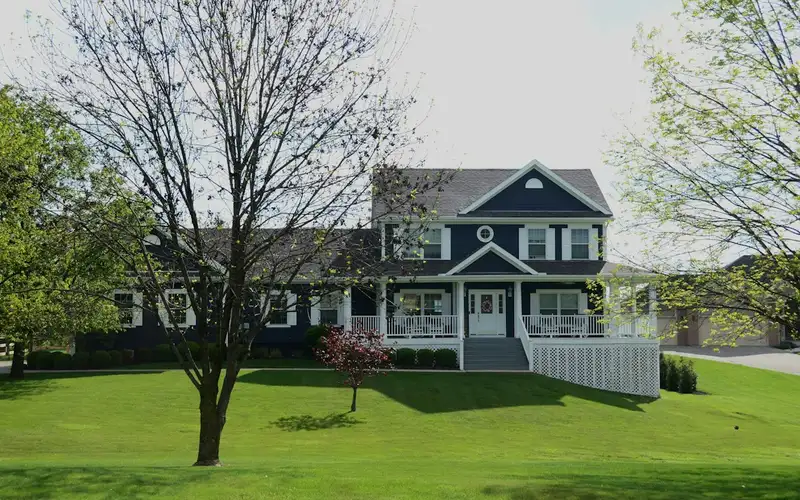
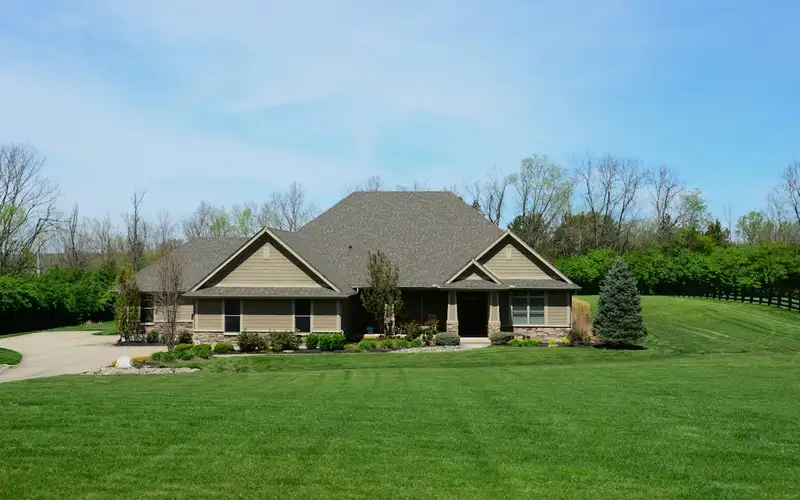
An older Population and Housing chapter of Salem's master plan records how fast the town built in the 1970s: 1,194 single-family, 864 two-or-more-family and 881 mobile home permits in that decade, along with formerly seasonal units being converted to year-round homes (Population and Housing chapter). Salem now has 12,888 housing units, including 718 mobile homes and other units (NHES community profile, ACS 2017–2021). A foundation poured in that boom is now around fifty years old, and a converted cottage was built for summer use first, so it's worth having the foundation and drainage looked at before the basement becomes living space.
The town's Historic District Commission is developing an inventory of historic properties and meets at the Old Town Hall Museum (Historic District Commission); we didn't find a regulated district that requires a certificate for exterior work. Around the lakes, the shoreland and wetland setbacks above are what usually shape an outside drain or a new bulkhead.
Radon
Radon in Rockingham County
Rockingham is one of New Hampshire's three highest radon counties. In the state's August 2023 data brief, half of the homes tested there had concentrations of 7.9 pCi/L or higher; statewide, about 37% of the 32,747 homes tested from 2007 to 2021 were at or above 4 pCi/L (NH radon data brief). EPA recommends fixing at 4 pCi/L or more, and the state suggests considering mitigation from 2 to 4. Test in the lowest livable area; the NH Radon Program sends free kits, (603) 271-1708, and New Hampshire doesn't license mitigation contractors (testing your home). Sealing a basement during waterproofing is a good time to plan for a mitigation system if the test calls for one.
FAQ
Salem basement questions
Can my foundation drain tie into the sewer in Salem?
No. Salem's sewer ordinance prohibits connecting roof downspouts, foundation drains, areaway drains or other surface runoff or groundwater sources to a building sewer or drain that connects to the public sanitary sewer. State rules say the same about sump pumps.
How much is a permit for basement work in Salem?
Under the fee schedule effective January 1, 2025, additions and alterations are $6.50 per $1,000 of construction value, foundation work is $150 flat, and a permit taken out after the work costs twice the normal fee. There is no separate line for finished basements.
What does Salem require for a basement in a flood zone?
New buildings may not be built in any special flood hazard area. For additions or replacements of existing homes, a residential lowest floor, including the basement, must be at least one foot above the base flood elevation, and fill has to be offset with twice as much flood storage.
Is radon a concern in Salem?
Salem is in Rockingham County, where half of the homes tested had radon at or above 7.9 pCi/L, according to the state's August 2023 data brief. EPA recommends fixing a home at 4 pCi/L or more.
What does it cost me to use New England Basement Pros?
Nothing. Asking is free for homeowners; the contractor prices the job, and the price and contract are between you and them.
Nearby