
Home › Massachusetts › Haverhill
Foundation Repair and Basement Waterproofing in Haverhill, MA
Haverhill doesn't let exterior foundation drains or areaway drains connect to the sewer, and part of downtown still runs on combined sewers that overflow in wet weather. Call (978) 800-2819 or use the form. A person reads every request and replies with what happens next.
- Free for homeowners
- State registration checked first
- Bradford to Rocks Village
Ask About Basement Service in Your Area
Tell us about the house and what the basement is doing. A person reads it and replies with what happens next.
Please add your name, a 10-digit phone number and a valid email.
Your request didn't go through on our end. Please call (978) 800-2819 so it isn't lost.
Too many requests have come from this connection in a short time. Please call (978) 800-2819 and we'll take it from there.
We couldn't finish the spam check. Wait a moment and send it again, or call (978) 800-2819.
Basement work in Haverhill
What's going on in the basement?
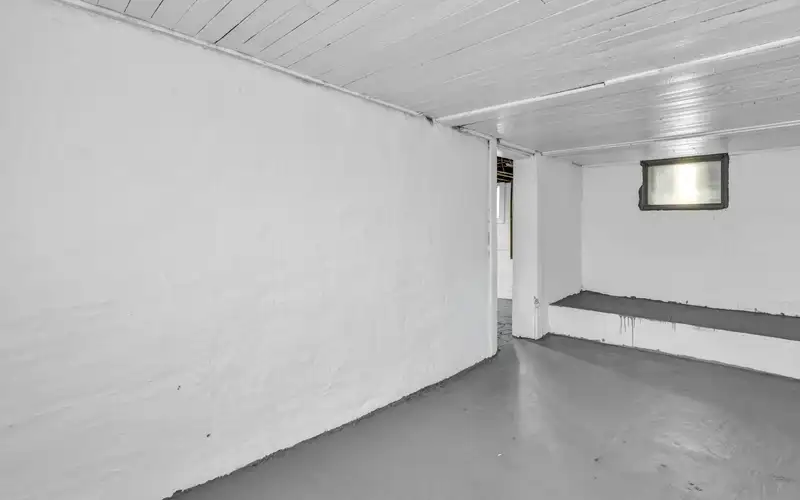
Waterproofing & Drainage
Wet walls, seepage at the floor joint and spring water in the basement, handled with interior drains, exterior work or both.
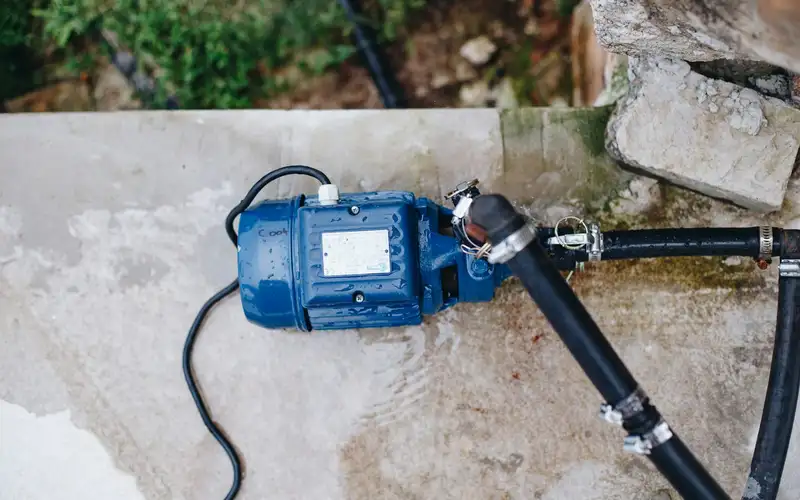
Sump Pumps
New pits, replacement pumps and battery backups, with the discharge going somewhere your town allows.
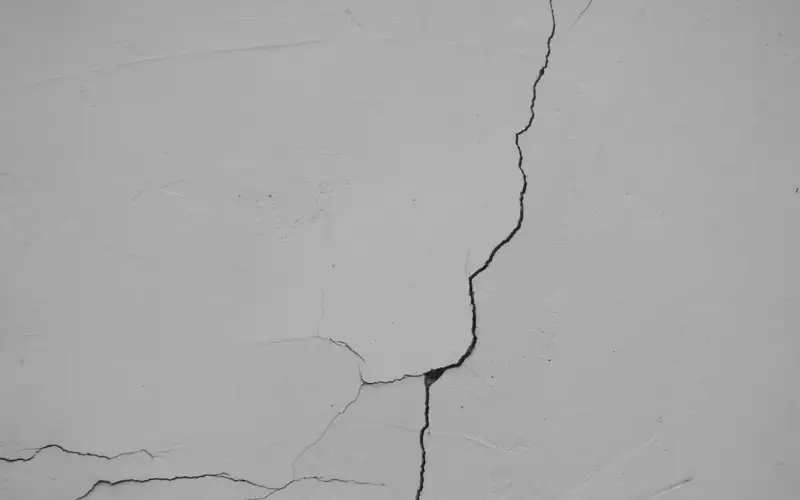
Foundation Cracks & Repair
Leaking cracks, bowing or settling walls and failing mortar in old fieldstone, with an engineer brought in when the job is structural.
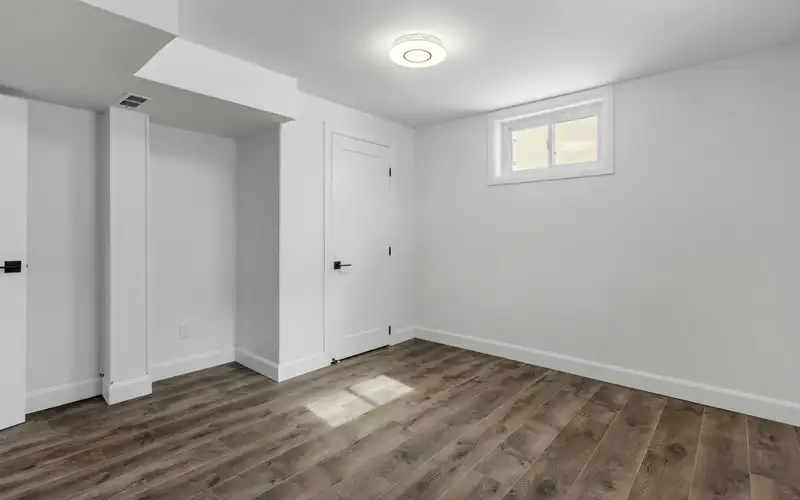
Crawl Spaces & Finishing
Damp crawl spaces sealed up, and dry basements turned into finished space with the right permits.
Not sure what it needs?
(978) 800-2819Tell us which part of the city you're in and when the water shows up, and we'll help you sort out the job.
Permits
Permits and rules for basement work in Haverhill
Haverhill's Inspectional Services office is in City Hall, 4 Summer Street, open Monday to Friday 8 to 4, and the city asks owners to call the building inspector at 978-374-2338 if they aren't sure a project needs a permit. Permits are filed online through OpenGov, they're good for six months, and the permit card has to be posted before work starts (Building Permits).
- Inspectional Services
- City Hall, 4 Summer Street; building inspector 978-374-2338
- Apply
- OpenGov online permits
- Remodel permit
- $50 up to $2,000, plus $14 per additional $1,000 (no effective date shown)
- Foundation permit
- Fee by phone ("call for pricing")
- Plumbing and gas
- Fees doubled if work starts before the permit
- Sewer or storm drain connection
- Engineering permit and a city-authorized drainlayer
What needs a permit. The city lists replacing drywall and installing flooring on the subfloor among interior jobs that need a permit, while painting and rugs don't. It doesn't name basement finishing, foundation repair, waterproofing, egress windows or sump pumps, so ask the inspector before that work begins. An owner-occupied one- or two-family home can be permitted by the owner; otherwise a licensed construction supervisor pulls it, and contractors upload the owner contract, their license, HIC registration and workers' comp (Building Permits).
Posted fees. A remodel permit is $50 for work up to $2,000, plus $14 for each additional $1,000; the city's own example puts a $5,000 job at $92. Foundations are "call for pricing," a six-month renewal is $25, and no cash is taken. The page shows no effective date. Plumbing and gas permits, which cover a sump or ejector tied into the plumbing, come from Plumbing and Gas Inspections in Room 214, and all their fees double if work starts first (Plumbing and Gas).
State rules. A contractor working on an existing one- to four-family owner-occupied home generally needs Home Improvement Contractor registration; check it on the state's Contractor Hub. Permitted construction on a one- or two-family home must be overseen by a licensed construction supervisor or a registered design professional (construction supervisor rules). Jobs over $1,000 need a written contract, and the deposit can't be more than a third of the price unless special-order materials cost more (M.G.L. c.142A §2). In a flood hazard area the state code wants construction documents sealed by a registered design professional (780 CMR R322.1), and a wall that is bowing or moving is a job for a structural engineer before anyone picks a repair.
Last verified November 2026. Fees, restrictions and deadlines on this page are due for re-checking by May 2027. New England Basement Pros is a referral service. We don't pull permits or do the work; the contractor you hire files the permit.
Ground and water
Where the water comes from in Haverhill
Keep drains off the sewer. Haverhill says roof downspouts, exterior foundation drains, areaway drains and other surface or groundwater sources may not be connected to the sewer service, and that disconnecting them helps cut combined sewer overflows (Water/Sewer Service Pipes). Building or repairing a connection to a sanitary sewer or a storm drain takes an Engineering permit, only city-authorized licensed and bonded drainlayers may do it, and the first 10 feet outside the foundation also needs the plumbing inspector's approval (Water/Sewer Hook-up). The same page says that clean water from these sources can go to a separate storm drain, your yard or another landscaped area; ask Engineering or the DPW before a contractor routes a sump line.
Combined sewers. The dense downtown has combined sewers that carry storm and sanitary flow in one pipe, with outfalls that overflow in wet weather, under a federal consent decree lodged November 10, 2016 (Wastewater). About 70% of the city is served by separate storm drains; report an illicit discharge to 978-374-2334 (Stormwater).
Floodplain basements. In the city's Floodplain Overlay District, the lowest floor of a residential building, "including basement or cellar," must be at or above the base flood elevation, and fill or new work in the floodway needs an engineer's no-rise certification (Zoning §255-9.1). The ordinance text still names the July 3, 2012 Essex County maps, but FEMA's newer maps for Essex County took effect July 8, 2025 (FEMA notice), so check your address on FEMA's Flood Map Service Center rather than relying on an older panel.
Till, perched water and ledge. The city's 2024–2031 draft Open Space and Recreation Plan says its compact glacial till soils have seasonal high water tables and slow permeability, says a perched water table might be expected on a drumlin with compact till, and notes shallow bedrock north of Crystal Lake. It blames septic problems in the unsewered parts of West Haverhill, East Haverhill and South Bradford on high groundwater and poor soils (draft OSRP, July 2024).
Downtown
The combined sewer area, where storm and sanitary flow share one pipe.
West Haverhill
Unsewered around North Broadway, Crystal Lake and Ayers Village, with shallow bedrock north of the lake.
East Haverhill
Unsewered along Amesbury Road, Rocks Village and East Broadway, where the plan cites high groundwater.
South Bradford
Unsewered south of Willow Avenue, named in the same draft plan.
Haverhill's houses
Shoe-era housing and three historic districts
The draft Open Space and Recreation Plan describes much of the city's Environmental Justice Zone as century-old housing built for shoe mill workers between 1880 and 1940 (draft OSRP). Foundations in those neighborhoods have had a long time to settle and collect repairs, so get the walls and floor looked at before choosing a way to keep water out.

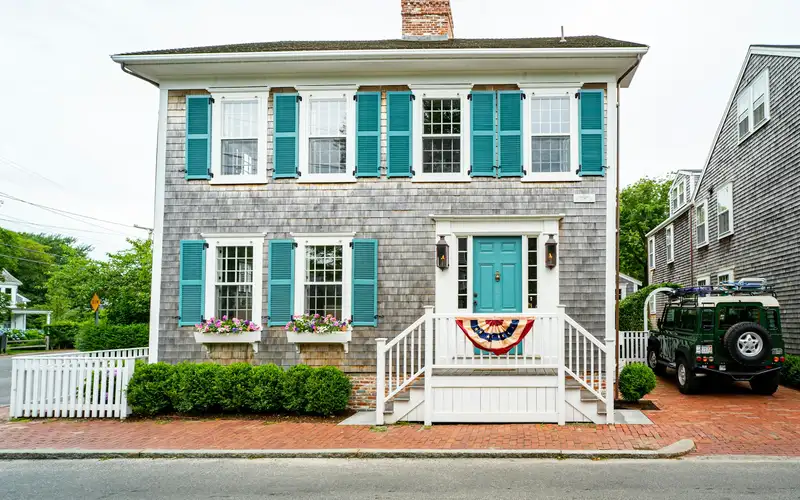
Historic districts. Rocks Village, Bradford Common and Washington Street are local historic districts. Exterior changes need a certificate, and the building inspector can't issue a permit without one. The listed exemptions cover things like window air conditioners, storm doors and paint, not window wells, bulkheads or exterior drainage (City Code Ch. 54).
Wetlands and lakes. The city's wetlands ordinance uses a 100-foot buffer that widens on steep slopes and a 200-foot buffer around Kenoza Lake, Crystal Lake, Chadwick Pond, Johnson Pond, Round Pond and Millvale Reservoir, and the Conservation Commission can set a 25-foot no-disturb zone (Wetlands Ordinance). Regrading, soil disturbance and fill in a floodplain need a permit first; small buffer projects are often reviewed by phone or a site visit at 978-374-2334 (Conservation FAQ). Exterior excavation is also digging under state law: the contractor premarks the area and notifies Dig Safe at least 72 hours ahead, not counting weekends and holidays (M.G.L. c.82 §40A).
Radon
Radon in an Essex County basement
Essex County is one of three Massachusetts counties where new one- and two-family homes must have a passive radon system, because the EPA generally places them at the highest risk for radon potential (MA EPHT residential radon). The requirement applies to homes built after January 2, 2015 (Radon in the Home), so it skips the mill-era houses. The state health department suggests testing at the lowest livable level between November 1 and March 31 and installing mitigation at 4.0 pCi/L or above (Testing your home for radon).
FAQ
Haverhill basement questions
Can my foundation drain empty into the sewer in Haverhill?
No. The city says roof downspouts, exterior foundation drains, areaway drains and other surface or groundwater sources may not be connected to the sewer service. Connecting to a sanitary sewer or a city storm drain takes a permit from Engineering and a city-authorized drainlayer.
Can I finish a basement in a Haverhill flood zone?
Inside the city's floodplain district, the lowest floor of a home, including any basement or cellar, has to be at or above the base flood elevation. FEMA's newer Essex County flood maps took effect July 8, 2025 (FEMA notice), so check your address on FEMA's Flood Map Service Center and ask the building inspector before you plan the work.
How much is a Haverhill remodel permit?
The city's permit page lists $50 for work up to $2,000, plus $14 for each additional $1,000, and gives a $5,000 job as $92. Foundation permits are priced by calling the office. The page shows no effective date.
What if plumbing work starts before the permit?
Haverhill doubles all plumbing and gas fees when work starts before the permit is issued. A sump or ejector tied into the plumbing goes through Plumbing and Gas Inspections in City Hall.
What does it cost me to use New England Basement Pros?
Nothing. Asking is free for homeowners; the contractor prices the job, and the price and contract are between you and them.
Nearby