
Home › Massachusetts › North Andover
Foundation Repair and Basement Waterproofing in North Andover, MA
North Andover's 2021 hazard plan puts about a fifth of the town in flood zones and says storm-driven flooding often leaves flooded roadways and basements behind. Call (978) 800-2819 or use the form. A person reads every request and replies with what happens next.
- Free for homeowners
- Town and state rules on this page
- Old Center to Lake Cochichewick
Ask About Basement Service in Your Area
Tell us about the basement and what the water is doing. A person reads it and replies with what happens next.
Please add your name, a 10-digit phone number and a valid email.
Your request didn't go through on our end. Please call (978) 800-2819 so it isn't lost.
Too many requests have come from this connection in a short time. Please call (978) 800-2819 and we'll take it from there.
We couldn't finish the spam check. Wait a moment and send it again, or call (978) 800-2819.
Basements in North Andover
What's going wrong down there?
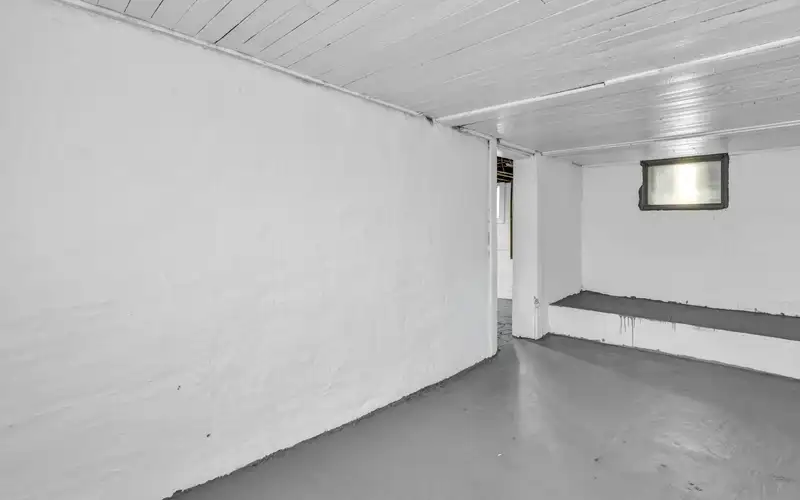
Waterproofing & Drainage
Wet walls, seepage at the floor joint and spring water in the basement, handled with interior drains, exterior work or both.
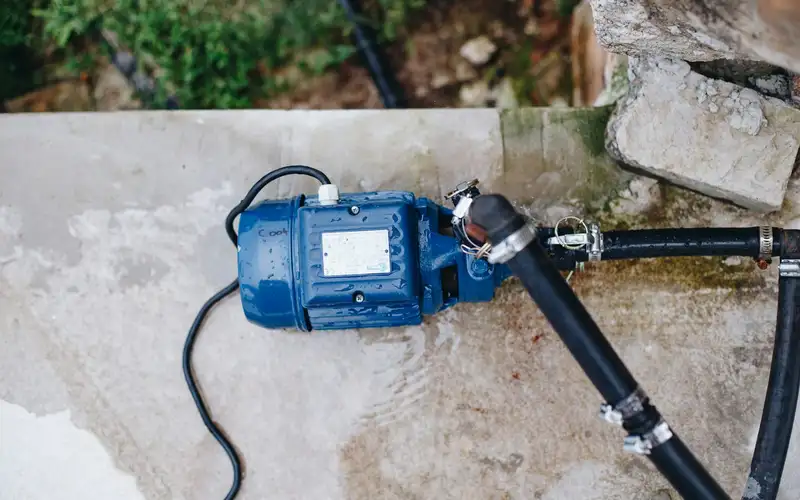
Sump Pumps
New pits, replacement pumps and battery backups, with the discharge going somewhere your town allows.

Foundation Cracks & Repair
Leaking cracks, bowing or settling walls and failing mortar in old fieldstone, with an engineer brought in when the job is structural.
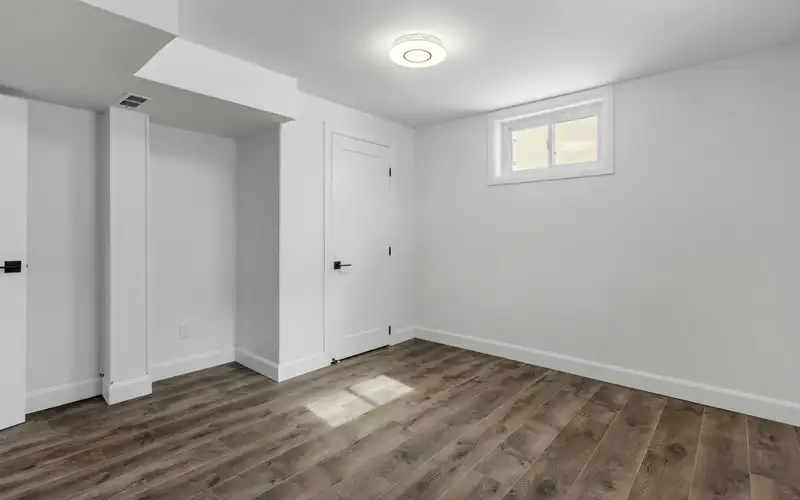
Crawl Spaces & Finishing
Damp crawl spaces sealed up, and dry basements turned into finished space with the right permits.
Not sure what it needs?
(978) 800-2819Tell us when the water appears and where it comes in, and we'll help you work out what kind of job it is.
Permits
Permits and rules for basement work in North Andover
The Building Department at 120 Main Street issues permits for additions and alterations to all structures, and its plumbing office handles permits for sewer installations and repairs (Building Department). It's open until 6 on Tuesdays and until noon on Fridays, and applications go through the town's OpenGov portal (hours and inspectors). The fee schedule isn't posted in a readable form on the town site, so ask the department for the current fee.
- Building Department
- 120 Main Street, 978-688-9545
- Hours
- Mon, Wed, Thu 8–4:30; Tue 8–6; Fri 8–noon
- Inspectors
- Building: 8–10 am Mon–Fri and 1–2 pm Mon–Thu or by appointment; electrical, plumbing and gas: Mon–Thu 7:30–9:00 am
- Apply online
- OpenGov
- Storm drain connection
- DPW connection and discharge permit required
- Conservation Office
- 978-688-9530
Which basement jobs need a permit. The town's pages don't mention basement finishing, waterproofing or foundation repair, so the state code decides: a permit is needed to alter or repair a building, ordinary repairs are exempt but undefined, and substantially cutting away a wall or removing a beam or load-bearing support always needs one (780 CMR R105). Finishing brings in insulation and wallboard, which the state's guidance chart marks as needing a building permit (state HIC chart), and a habitable basement room needs a 6-foot-8-inch ceiling and photoelectric smoke and carbon monoxide alarms on that level (780 CMR chapter 3). Ask the department about drain or sump work before it starts.
Contractor rules. Work on an owner-occupied home of one to four units generally needs a registered Home Improvement Contractor; look it up on the state's Contractor Hub. A licensed construction supervisor or registered design professional must oversee construction on one- and two-family homes (construction supervisor rules). Contracts over $1,000 must be in writing, and the deposit is limited to one-third of the price unless special-order materials cost more (M.G.L. c.142A §2). There's no Massachusetts rule that every foundation repair needs an engineer, but the building official can require more documents, and in a flood hazard area the documents must be sealed by a registered design professional (R107.1, R322.1). Exterior excavation needs Dig Safe notice at least 72 hours ahead, weekends and holidays excluded (M.G.L. c.82 §40A).
Last verified November 2026. Fees, restrictions and deadlines on this page are due for re-checking by May 2027. New England Basement Pros is a referral service. We don't pull permits or do basement work; the contractor files the permit.
Water
Where the water comes from in North Andover
Floods on record. The town's Multi-Hazard Mitigation and MVP Plan of September 2021 says the most recent significant floods were the Mother's Day flood of 2006 and the Spring 2010 flood; its county table lists $7.0 million in damage across Essex County on May 13, 2006 and $9.8 million in South Essex on March 14, 2010. About 19.5% of the town's land lies in the 1% or 0.2% annual-chance flood zones, and the 100-year storm has grown from 6.5 inches of rain in 24 hours in the 1960s to 8.4 inches by 2015. Of urban and stormwater flooding, the plan says flooded roadways and basements often result (hazard mitigation plan).
Where the plan points. It names Route 133 at the Flats Bridge, flooding on Routes 114 and 495, undersized culverts and beaver dams that flood roads, and shoreline erosion on Lake Cochichewick along Great Pond Road. The town's waterways include the Merrimack on its northwest edge, the Shawsheen River, Cochichewick Brook, Lake Cochichewick, and Boston and Mosquito Brooks running to the Ipswich River. Floodplain zoning has restricted development in the 100-year floodplain since 1979. Check your own address on FEMA's Flood Map Service Center; the town's flood mapping page links FEMA's map amendment instructions. Flood insurance covers a basement's sump pump, furnace and foundation, not finished walls, floors or most contents (FEMA).
Where the sump water may go. North Andover's Stormwater Bylaw (Chapter 165) allows water from exterior foundation drains and footing drains, not counting active groundwater dewatering systems, along with crawl space pumps, rising groundwater and uncontaminated pumped groundwater. Illicit connections are banned even if they were allowed when made, and a direct connection to the municipal storm drain system needs a connection and discharge permit from the Department of Public Works. Fines are $300 per violation per day (Stormwater Bylaw). We didn't find a town rule on sump pumps in the sanitary sewer, which runs to the Greater Lawrence Sanitary District plant in town. MassDEP counts sump pumps connected to a sewer as inflow and requires local sewer rules to prohibit inflow connections (MassDEP), so ask the Department of Public Works before choosing an outlet.
Septic lots and the lake. The Board of Health's septic regulations, current version February 25, 2010, require design plans to show streams, drains, wetlands and wells within 400 feet of the system in the Lake Cochichewick watershed, instead of 150 feet, set 325 feet from tributaries to surface water supplies, and assume foundations have drains unless the plan says otherwise (septic regulations).
Wetlands. Within 25 feet of a wetland, no activity is permitted, including grading, landscaping, clearing, filling and excavating; the next 25 feet is a no-build zone where retaining walls are allowed only without a feasible alternative; the buffer runs to 100 feet, and a 200-foot riverfront area applies along the Merrimack, the Shawsheen and the Mosquito, Rocky, Boston, Fish, Cedar and Cochichewick Brooks. Owners need a Professional Wetland Scientist to flag wetlands (Conservation FAQ; town code).
North Andover's homes
Six in ten homes built before 1979
The town's 2018–2022 Housing Production Plan, using 2011–2015 census estimates, puts about 18% of North Andover's homes before 1940 and about 60% before 1979; about 56% are detached single-family houses and about 8% are in three- or four-unit buildings (Housing Production Plan).
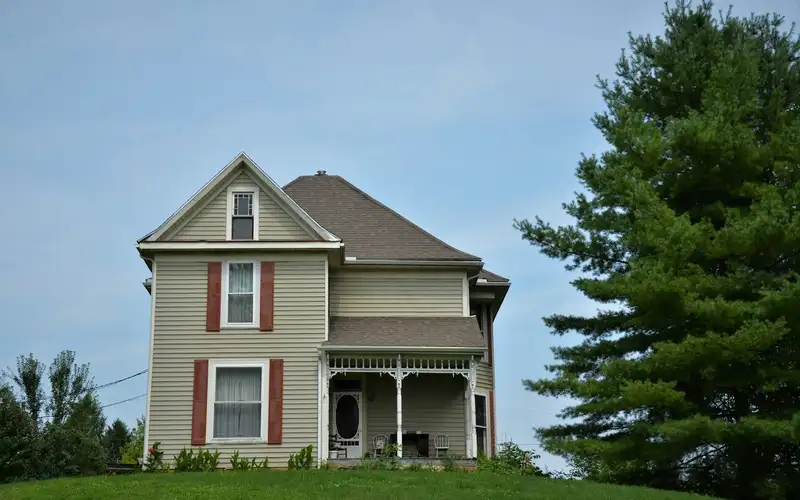
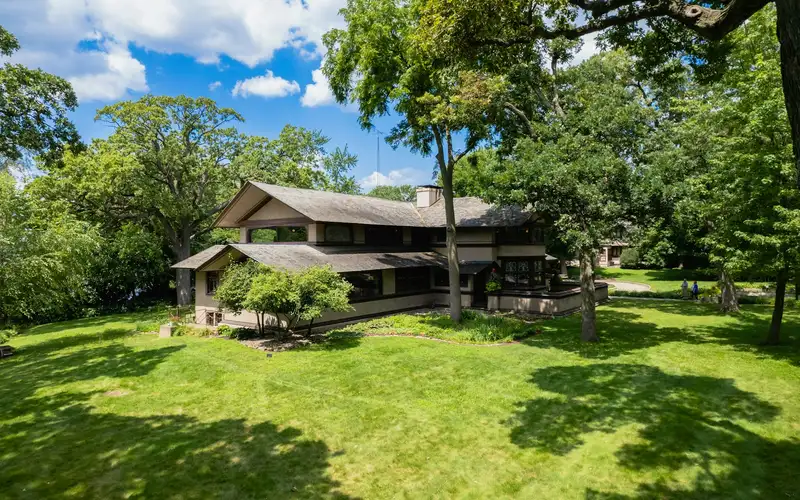
The Old Center Historic District, mapped in 1987, has a commission that reviews exterior changes, so ask it early about anything visible outside the foundation (Old Center bylaws). Homes built before 1978 need a licensed lead-safe renovation contractor when painted surfaces are disturbed (lead-safe renovation).
Radon
Radon in North Andover basements
Town-level radon figures weren't in the sources we read. North Andover is in Essex County, one of the three counties, with Middlesex and Worcester, where Massachusetts requires a passive radon mitigation system in new one- and two-family homes; the state posts test results by town on its radon tracking page. State health guidance, checked November 2026, says to test at the lowest livable level of the home between November 1 and March 31, strongly recommends a mitigation system at 4.0 pCi/L, and says one should be considered between 2.0 and 4.0 (testing your home for radon).
FAQ
North Andover basement questions
Can I connect a foundation drain to the town storm drain?
The Stormwater Bylaw allows water from exterior foundation drains, footing drains and crawl space pumps, but creating or keeping a direct connection to the municipal storm drain system requires a connection and discharge permit from the Department of Public Works. Violations can be fined $300 per violation per day.
How much of North Andover is in a flood zone?
About 19.5% of the town's land lies in the 1% or 0.2% annual-chance flood zones, according to the September 2021 hazard mitigation plan, which lists the Mother's Day flood of 2006 and the Spring 2010 flood as the most recent significant events.
I live near Lake Cochichewick. Does that change drainage work?
It can. The Board of Health's septic regulations require septic design plans to show streams, drains, wetlands and wells within 400 feet of the system in the Lake Cochichewick watershed, instead of 150 feet elsewhere, and they assume a foundation has a drain unless the plan shows otherwise.
Can I dig near a wetland on my lot?
Not within 25 feet: the town's wetland rules permit no activity in that zone, including grading, clearing, filling and excavating. The next 25 feet is a no-build zone, and anything within 100 feet goes to the Conservation Commission.
What does it cost me to use New England Basement Pros?
Nothing. Asking is free for homeowners; the contractor prices the job, and the price and contract are between you and them.
Nearby