
Home › Massachusetts › Melrose
Foundation Repair and Basement Waterproofing in Melrose, MA
Melrose's sewer ordinance says a sump pump needs a permanent discharge line that never reaches the sanitary sewer, and the city backs it up with smoke and dye tests. Call (978) 800-2819 or use the form. A person reads every request and replies with what happens next.
- Free for homeowners
- State registration checked first
- Ell Pond to the Fells side
Ask About Basement Service in Your Area
Tell us about the house and what the basement is doing. A person reads it and replies with what happens next.
Please add your name, a 10-digit phone number and a valid email.
Your request didn't go through on our end. Please call (978) 800-2819 so it isn't lost.
Too many requests have come from this connection in a short time. Please call (978) 800-2819 and we'll take it from there.
We couldn't finish the spam check. Wait a moment and send it again, or call (978) 800-2819.
Basement work in Melrose
What kind of basement problem is it?
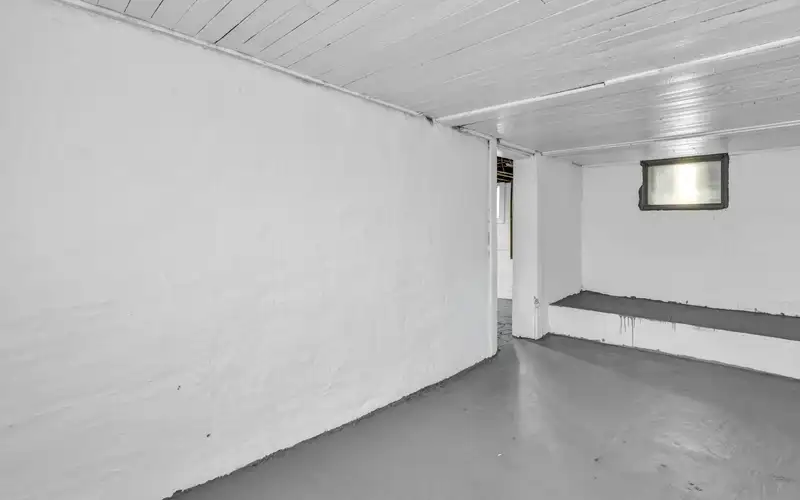
Waterproofing & Drainage
Wet walls, seepage at the floor joint and spring water in the basement, handled with interior drains, exterior work or both.
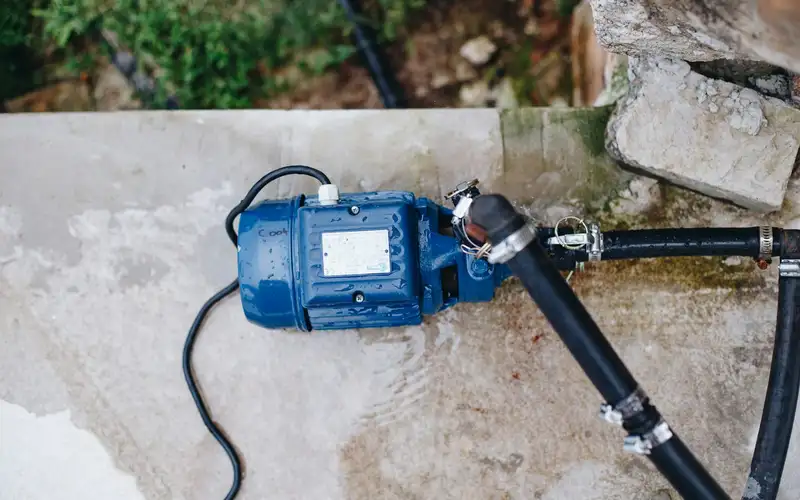
Sump Pumps
New pits, replacement pumps and battery backups, with the discharge going somewhere your town allows.

Foundation Cracks & Repair
Leaking cracks, bowing or settling walls and failing mortar in old fieldstone, with an engineer brought in when the job is structural.
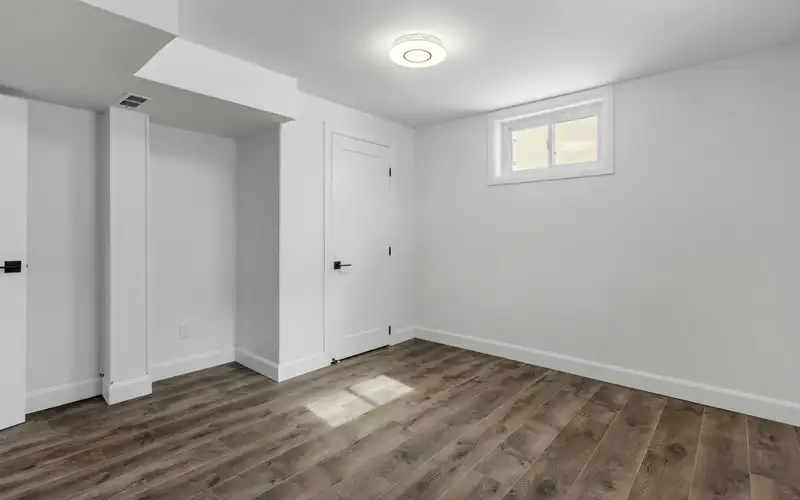
Crawl Spaces & Finishing
Damp crawl spaces sealed up, and dry basements turned into finished space with the right permits.
Not sure what it needs?
(978) 800-2819Tell us how old the house is and where the water shows up, and we'll help you work out the job.
Permits
Permits and rules for basement work in Melrose
Melrose's Department of Inspectional Services is on the ground floor of City Hall, 562 Main Street, open Monday to Thursday 8:30 to 4 and Friday 8:30 to 12:30 (Inspection Services). Every permit is applied for on the city's online permitting portal; paper applications are taken only in extreme circumstances (Permitting Guide).
- Inspectional Services
- City Hall ground floor, 562 Main Street, 781-979-4135
- Apply
- Online permitting portal for all permits
- Foundation permit
- Wall heights, wall and footing dimensions, concrete strength
- Egress
- Permit required to alter or install a means of egress
- 1–2 family building fee
- $15 per $1,000, $40 minimum, plus a $15 admin fee (amended July 17, 2023)
- Work started without a permit
- Triple fee
What needs a permit. The city's permitting guide lists foundation work as its own permit type, with applications showing wall heights, the dimensions of walls and footings, and the strength of the concrete. Altering or installing a means of egress also requires a permit. Ordinary finishes such as painting, carpeting and floor sanding don't, and retaining walls need a zoning permit (Permitting Guide). The guide doesn't name basement finishing, waterproofing or sump pumps, so ask the department before that work starts.
Posted fees. Under the Inspectional Services fees, last amended July 17, 2023 (Ord. 2023-4), a one- or two-family building permit is $15 per $1,000 with a $40 minimum plus a $15 administrative fee per application; a reinspection is $50, and work started without a permit is charged a triple fee (Inspectional Services Fees). Building inspections are booked by phone the same day, Monday to Thursday only (How to Schedule Inspections).
State rules. Basement contractors working on an existing one- to four-family owner-occupied home generally need Home Improvement Contractor registration, which you can check on the state's Contractor Hub. A licensed construction supervisor or registered design professional must oversee permitted construction on a one- or two-family house (construction supervisor rules). A contract over $1,000 must be written, and the deposit is capped at a third of the price unless special-order materials cost more (M.G.L. c.142A §2). The state code leaves it to the building official to ask for more construction documents when conditions call for them, and requires sealed documents from a registered design professional for new construction or a substantial improvement in a flood hazard area (780 CMR Chapter 1; R322.1). If a foundation wall is bowing or shifting, bring in a structural engineer before choosing a repair.
Last verified November 2026. Fees, restrictions and deadlines on this page are due for re-checking by May 2027. New England Basement Pros is a referral service. We don't pull permits or do the work; the contractor you hire files the permit.
Ground and water
Where the water comes from in Melrose
The sewer ordinance. Melrose bars stormwater, groundwater, roof runoff and other unpolluted water from the sanitary sewer. A sump pump must have a permanent discharge line that never reaches the sewer, and roof downspouts and foundation or area drains may not connect to it. The city may inspect, including with smoke or dye tests, and an owner must correct a violation within 30 days of notice or pay a surcharge, which also applies to owners who refuse inspection (Melrose sewer ordinance). The owner is responsible for the sewer service from 10 feet outside the house to the main (sewer use rules). The city doesn't say on its stormwater page where a sump line may end, so ask the DPW before a contractor routes one.
The I/I program. Since flow metering in 2016 the city has run a city-wide program to remove infiltration and inflow, using CCTV inspection of about 57% of its mains and 500 manholes, more than 50,000 feet of pipe lining, smoke and dye testing and building inspections, with more than $9 million spent through MWRA grants and loans, according to its undated project page (Water & Sewer Projects).
Flooding. The 2023 Open Space and Recreation Plan identifies flooding as Melrose's greatest natural hazard. Ell Pond and land along Main Street and West Wyoming Avenue lie below 50 feet of elevation, and the plan notes that historic muck and peat wetland soils were often culverted or filled (2023 OSRP). The city's previous hazard mitigation plan expired on June 27, 2024, according to the state's list as of December 19, 2024 (state plan list). Check your address on FEMA's Flood Map Service Center; work on stairs, porches or decks in the floodplain needs a Request for Determination from the Conservation Commission (Guidelines for Work in the Floodplain).
Ell Pond
One of the two largest floodplains in the 2023 plan, flooding regularly, on low ground below 50 feet.
Bennetts Pond Brook and Howard Street
The historic brook area the plan names as the other large floodplain that floods regularly.
Long, Towners and Swains Ponds
Bordered by smaller floodplains in the same plan.
Melrose's houses
Very old basements, some of them on ledge
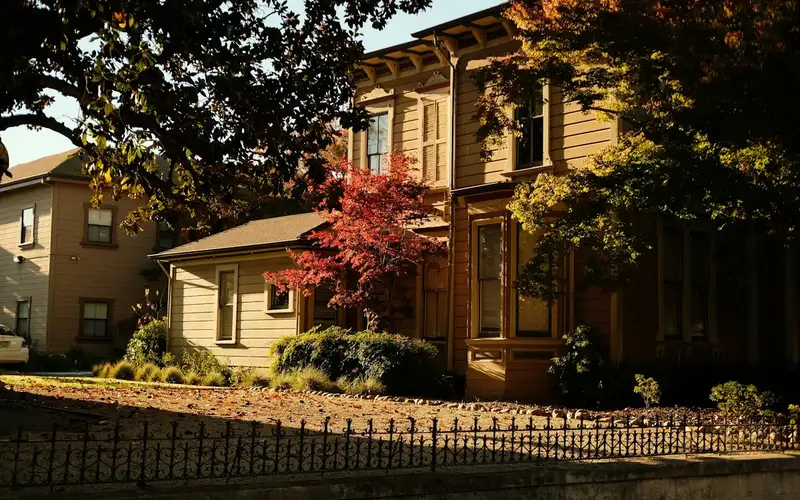
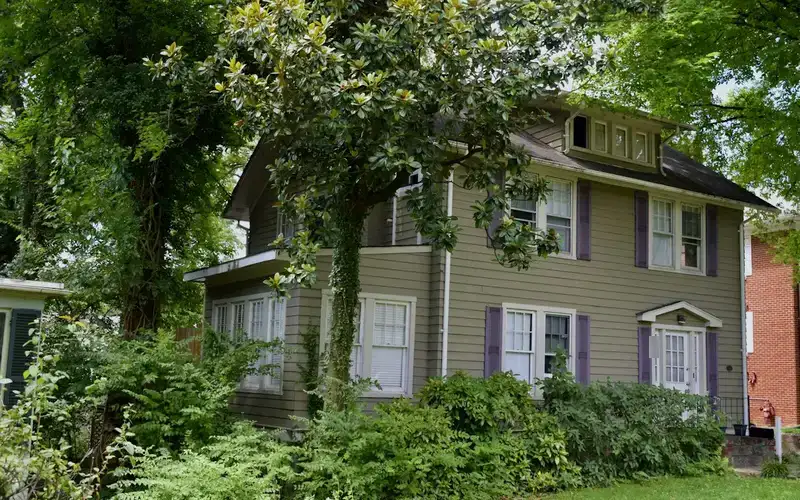
More than half of Melrose's housing was built before 1940 and about three-quarters before 1970 (Housing Production Plan, February 2022), and the city's historic preservation page puts the share built before 1900 at about 40% (Historic Preservation). A basement that old can have a mix of materials and past repairs, so have the walls and floor looked at before deciding how to keep water out.
Ledge. The 2023 plan reports igneous bedrock at or near the surface in the southeast, southwest and along the western boundary, which it says raises construction costs, while glacial sands and gravels cover most of the rest of the city (2023 OSRP). Ask whether digging along your foundation will hit rock before you choose exterior waterproofing. The contractor must premark the dig and notify Dig Safe at least 72 hours ahead, not counting weekends and holidays (M.G.L. c.82 §40A).
Historic districts. The Downtown Melrose Historic District runs along Main Street from West and East Foster to the south side of West and East Emerson, and the Benjamin Lynde House at 244 Main Street is its own district. Exterior changes visible from a public way need a Certificate of Appropriateness (Historic District Ordinance), so check before adding a window well or bulkhead there.
Wetlands. Melrose's wetlands ordinance keeps a 100-foot buffer with a no-disturbance zone in the first 15 feet and no construction from 15 to 20 feet. Adding more than 500 square feet of impervious surface in a buffer or flood area must cause no net increase in peak runoff and no net loss of groundwater recharge, and floodplain work must cause no net loss of flood storage (Melrose Code Ch. 231).
Radon
Radon and Melrose's older homes
Melrose is in Middlesex County, where the state has required passive radon mitigation in new one- and two-family homes because the EPA generally rates the county among the highest for radon potential (MA EPHT residential radon). That rule covers homes built since 2015 (Radon and new construction), which leaves out most of Melrose's housing. The state health department advises testing at the lowest livable level between November and March and fixing at 4.0 pCi/L or above (Testing your home for radon).
FAQ
Melrose basement questions
What happens if my sump pump is tied into the sewer in Melrose?
It isn't allowed. The city can inspect, including with smoke or dye tests, and an owner who gets a notice has 30 days to correct the connection or pay a surcharge. The same applies to roof downspouts and foundation or area drains connected to the sewer.
Does foundation work need a permit in Melrose?
Yes. Foundation is one of the city's listed permit types, and the application must give the heights and dimensions of walls and footings and the strength of the concrete. Adding or altering a means of egress also needs a permit.
What if work starts before the permit?
Melrose charges a triple fee for work started without a permit, under the fee schedule last amended July 17, 2023. All permits are applied for online.
Which parts of Melrose flood?
The city's 2023 Open Space and Recreation Plan names flooding as its greatest natural hazard. The largest floodplains are Ell Pond and the historic Bennetts Pond Brook area near Howard Street, both of which flood regularly, with smaller floodplains around Long, Towners and Swains Ponds.
What does it cost me to use New England Basement Pros?
Nothing. Asking is free for homeowners; the contractor prices the job, and the price and contract are between you and them.
Nearby