
Home › Massachusetts › Wakefield
Foundation Repair and Basement Waterproofing in Wakefield, MA
Wakefield's DPW puts it plainly: don't send sump pumps or basement flooding into the sanitary sewer, and it will help you find another way to get rid of the water. Call (978) 800-2819 or use the form. A person reads every request and replies with what happens next.
- Free for homeowners
- State registration checked first
- Lake Quannapowitt to Reedy Meadow
Ask About Basement Service in Your Area
Tell us about the house and what the basement is doing. A person reads it and replies with what happens next.
Please add your name, a 10-digit phone number and a valid email.
Your request didn't go through on our end. Please call (978) 800-2819 so it isn't lost.
Too many requests have come from this connection in a short time. Please call (978) 800-2819 and we'll take it from there.
We couldn't finish the spam check. Wait a moment and send it again, or call (978) 800-2819.
Basement work in Wakefield
What does the basement need?
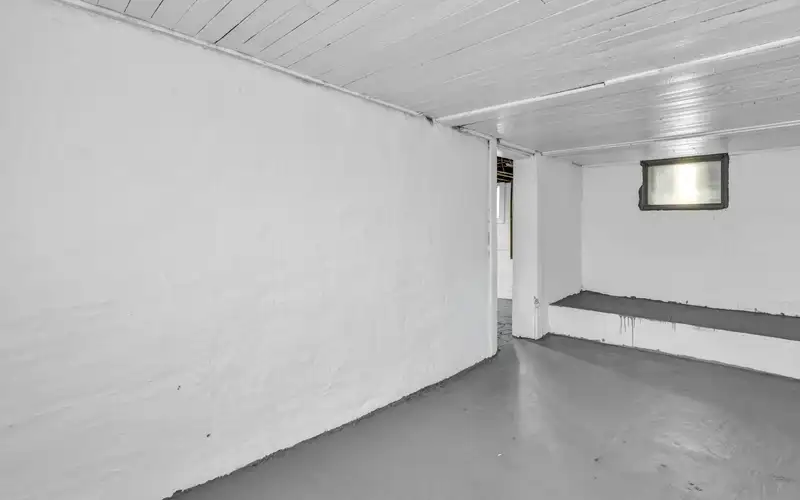
Waterproofing & Drainage
Wet walls, seepage at the floor joint and spring water in the basement, handled with interior drains, exterior work or both.
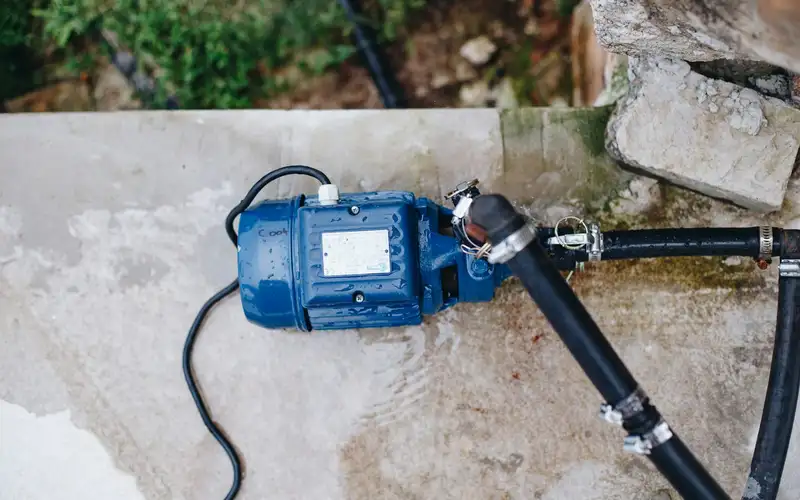
Sump Pumps
New pits, replacement pumps and battery backups, with the discharge going somewhere your town allows.

Foundation Cracks & Repair
Leaking cracks, bowing or settling walls and failing mortar in old fieldstone, with an engineer brought in when the job is structural.
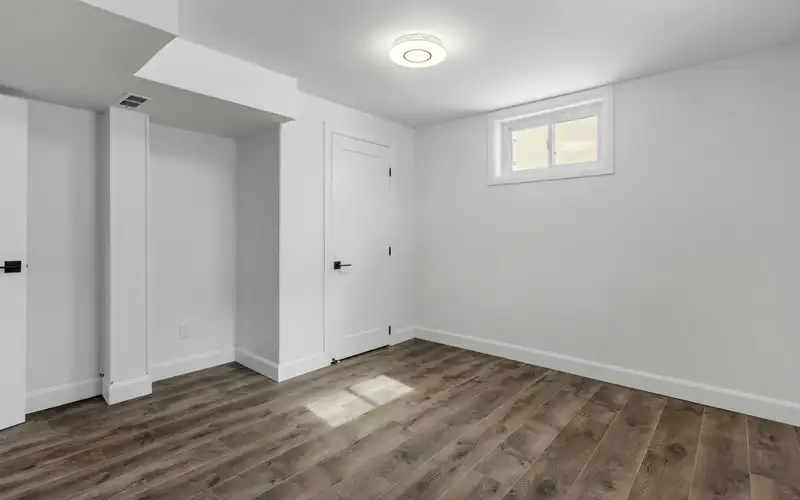
Crawl Spaces & Finishing
Damp crawl spaces sealed up, and dry basements turned into finished space with the right permits.
Not sure where to start?
(978) 800-2819Tell us where the water comes in and where your sump pump sends it, and we'll help you sort out the job.
Permits
Permits and rules for basement work in Wakefield
Wakefield's Building Inspector, part of Inspectional Services and Zoning at 1 Lafayette Street, issues permits for the construction, alteration and repair of buildings. The office is open Monday to Thursday 8 to 4:30 and Friday 8 to 12:30 (Inspectional Services & Zoning). The town's permit pages don't name basement finishing, foundation repair, waterproofing or egress windows, so ask the office what your job needs before it starts.
- Inspectional Services
- 1 Lafayette Street, 781-246-6388
- Online (ViewPoint)
- Doors, insulation, roofing, siding, windows, electrical, gas and plumbing
- In person
- Other residential building permits, on printed homeowner or contractor forms
- Building fee
- $12 per $1,000 on the 2016 schedule; doubled for work started without a permit
- Building inspection calls
- Monday to Thursday, 8 to 9 am or 1 to 2 pm
Filing. Electrical, gas and plumbing permits, along with doors, insulation, roofing, siding and windows, are filed online on ViewPoint Cloud. Other residential building permits are submitted in person on printed forms, with separate homeowner and contractor versions (Forms & Applications). Plumbing, gas and wiring inspections are requested by phone Monday to Thursday 8 to 9:30 am or noon to 2 pm, and Friday 8 to 9:30 am (Inspection Requests).
Posted fees. The fee schedule the town posts is the 2016 schedule, effective July 1, 2016: building permits at $12 per $1,000, doubled for work started without a permit (Fee Schedule). Because it is ten years old, confirm the current amount with Inspectional Services.
State rules. On an existing one- to four-family owner-occupied home, a basement contractor generally needs Home Improvement Contractor registration; look the company up on the state's Contractor Hub. Permitted construction on a one- or two-family house must be overseen by a licensed construction supervisor or a registered design professional (construction supervisor rules). Contracts over $1,000 must be in writing with the contractor's registration number, dates, price and payment schedule (M.G.L. c.142A §2). No Massachusetts rule we found requires an engineer for every residential foundation repair, but new construction or a substantial improvement in a flood hazard area needs construction documents sealed by a registered design professional (780 CMR R322.1), and the building official can ask for more documents on any job.
Last verified November 2026. Fees, restrictions and deadlines on this page are due for re-checking by November 2026. New England Basement Pros is a referral service. We don't pull permits or do the work; the contractor you hire files the permit.
Ground and water
Where the water comes from in Wakefield
Keep it out of the sewer. The DPW's Infiltration/Inflow Reduction Program asks residents not to discharge sump pumps or basement flooding into the sanitary sewer, to disconnect roof and outside drains that connect to it, and to have their sewer service checked for cracks, separated joints or broken pipes. If a sump pump drains to the sewer today, the DPW says it will help you work out an alternative; its Engineering/Sewer Division is at 781-246-6301 x4120 (I/I Reduction Program). Fewer than 5% of Wakefield houses aren't on public sewer (Open Space and Recreation Plan 2024–2031).
What the storm drain allows. The stormwater bylaw, with exemptions amended at the November 5, 2018 Town Meeting, allows water from exterior foundation and footing drains, crawl space pump water, rising groundwater and uncontaminated pumped groundwater into the storm drain system, provided they aren't a significant source of pollutants. Active groundwater dewatering systems aren't included, and any connection from indoor drains counts as an illicit connection (Wakefield Code Ch. 170).
Flood zones. According to the 2024–2031 Open Space and Recreation Plan, FEMA last mapped Wakefield's flood hazard areas in 2010, and the 1% annual chance floodplain lies mostly along the Saugus and Mill Rivers, around Lake Quannapowitt and at Reedy Meadow. A Floodplain overlay district regulates uses in the mapped flood hazard area (OSRP 2024–2031). Check your address on FEMA's Flood Map Service Center.
Lake Quannapowitt
A glacial kettle lake and the headwaters of the Saugus River, with floodplain around it.
Saugus River
One of the two rivers that carry most of Wakefield's mapped 1% floodplain.
Mill River
The other, named in the same plan alongside the Saugus.
Reedy Meadow
A wetland area the plan lists among the town's floodplain locations.
Wakefield's houses and ground
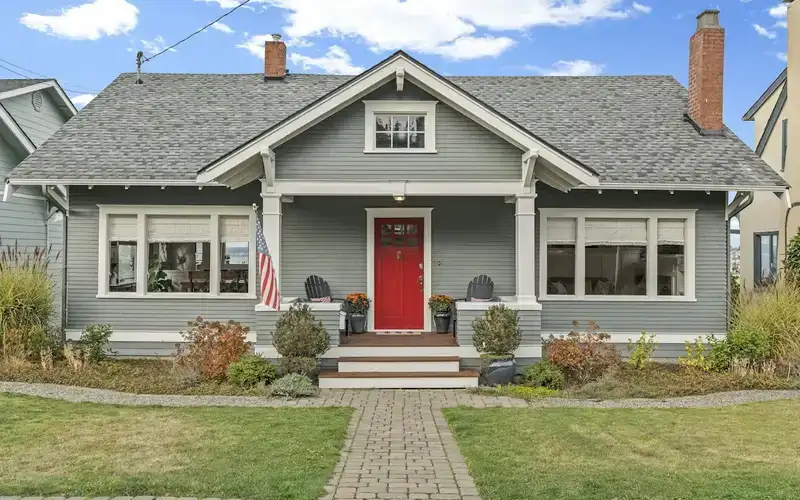
A third of the homes are pre-1940, on two very different soils
About a third of Wakefield's housing was built before 1940 (Housing Production Plan FY2026–2030, final draft May 15, 2025). The ground under those houses varies. The open space plan describes sand and gravel soils of the Merrimac and Hinckley series, upland Gloucester soils that are often shallow with bedrock outcrops, and organic soils in the lowlands and wetlands (OSRP 2024–2031). Sandy ground and shallow soil over ledge handle water differently, and that changes what an exterior drain or a dig along the foundation involves, so a contractor should look at the lot before recommending one.
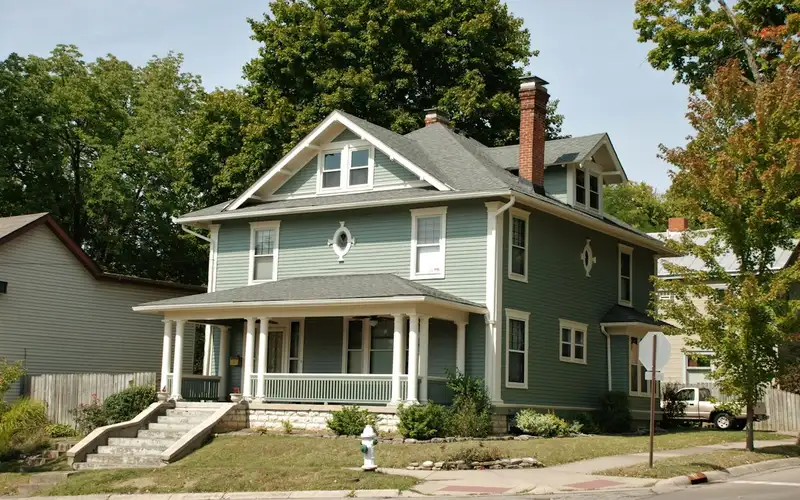
Historic review. Wakefield has no local historic district (OSRP 2024–2031); its Historical Commission administers a demolition delay bylaw (Historical Commission), so a new window well or bulkhead doesn't go through historic district review.
Wetlands. As of November 8, 2026, Wakefield applies the state Wetlands Protection Act: the Conservation Commission reviews work within 100 feet of a wetland, 200 feet of a perennial stream or river, or in the 100-year floodplain, and its page warns not to assume a project is exempt (Wetlands Protection Act). A proposed local wetlands bylaw is scheduled for a Town Meeting vote on November 16, 2026 (Proposed Wetlands Bylaw); check with the Commission for the rules in force when your work starts. Any excavation also needs the area premarked and Dig Safe notified at least 72 hours ahead, not counting weekends and holidays (M.G.L. c.82 §40A).
Radon
Radon in Wakefield basements
Massachusetts requires a passive radon mitigation system in new one- and two-family homes in Middlesex, Essex and Worcester counties, the counties the EPA generally rates highest for radon potential; Wakefield is in Middlesex (MA EPHT residential radon). The requirement applies to homes built since 2015 (Radon and new construction), so most Wakefield houses were never required to have one, and a test is the only way to know your level. The state health department recommends testing between November 1 and March 31 at the lowest livable level, and considering mitigation from 2.0 pCi/L (Testing your home for radon).
FAQ
Wakefield basement questions
Can my sump pump drain into the sewer in Wakefield?
No. The DPW's Infiltration/Inflow Reduction Program says not to discharge sump pumps or basement flooding into the sanitary sewer and to disconnect roof and outside drains tied to it. If yours is connected now, the DPW says it will help you find a solution.
Can foundation drain water go to the storm drain?
Wakefield's stormwater bylaw lists water from exterior foundation and footing drains, crawl space pump water and uncontaminated pumped groundwater among the discharges it allows, as long as they aren't a significant source of pollution. Active groundwater dewatering systems aren't covered, and connections from indoor drains count as illicit.
Can I apply for a basement building permit online?
Not for most jobs. Wakefield's ViewPoint portal takes doors, insulation, roofing, siding, windows, electrical, gas and plumbing permits; other residential building permits are filed in person at Inspectional Services, 1 Lafayette Street, on printed forms.
Does Wakefield have its own wetlands rules?
As of November 8, 2026, the Conservation Commission applies the state Wetlands Protection Act: work within 100 feet of a wetland, 200 feet of a perennial stream or river, or in the 100-year floodplain needs its review. A local wetlands bylaw goes to a Town Meeting vote on November 16, 2026.
What does it cost me to use New England Basement Pros?
Nothing. Asking is free for homeowners; the contractor prices the job, and the price and contract are between you and them.
Nearby