
Home › New Hampshire › Nashua
Foundation Repair and Basement Waterproofing in Nashua, NH
Nashua's storm drain rules allow foundation drain and crawl-space pump water, the sewer pipe from your house to the city main is yours to maintain, and parts of the city still run on combined sewers. Call (978) 800-2819 or use the form. A person reads every request and replies with what happens next.
- Free for homeowners
- City and state rules on this page
- Tree Streets to the river corridors
Ask About Basement Service in Your Area
Tell us about the basement and what the water is doing. A person reads it and replies with what happens next.
Please add your name, a 10-digit phone number and a valid email.
Your request didn't go through on our end. Please call (978) 800-2819 so it isn't lost.
Too many requests have come from this connection in a short time. Please call (978) 800-2819 and we'll take it from there.
We couldn't finish the spam check. Wait a moment and send it again, or call (978) 800-2819.
Basements in Nashua
What's the basement problem?
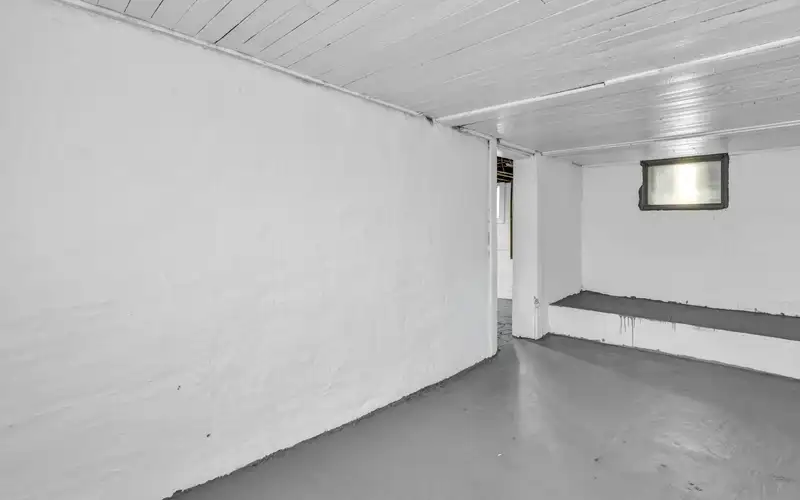
Waterproofing & Drainage
Wet walls, seepage at the floor joint and spring water in the basement, handled with interior drains, exterior work or both.
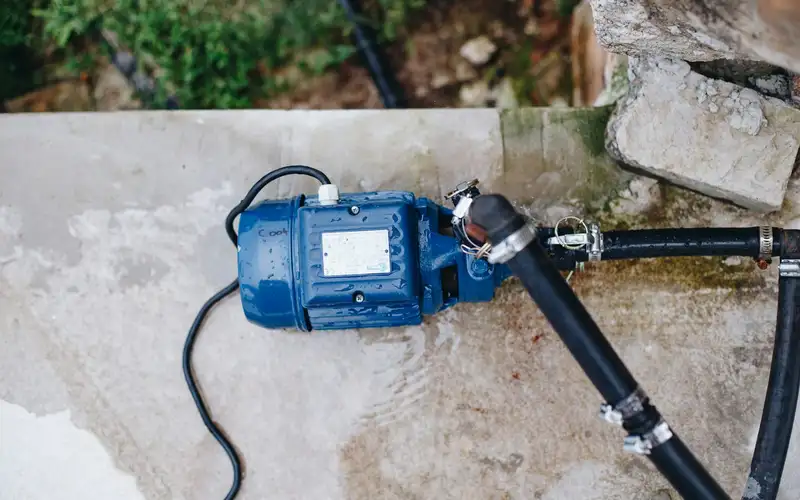
Sump Pumps
New pits, replacement pumps and battery backups, with the discharge going somewhere your town allows.
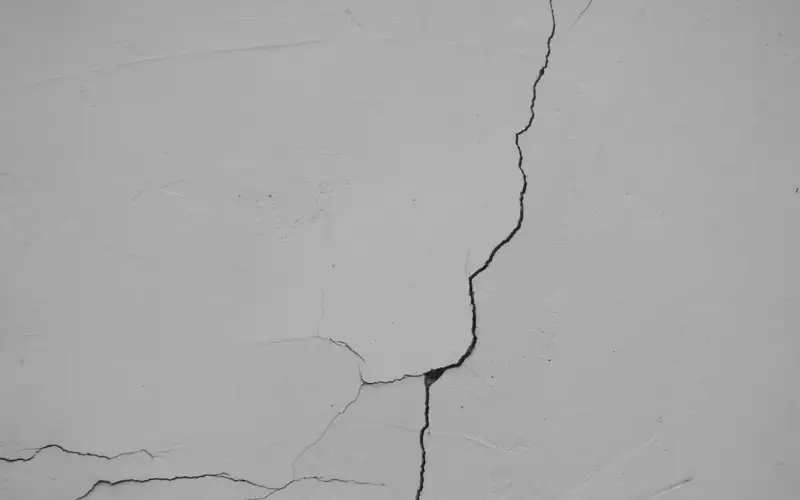
Foundation Cracks & Repair
Leaking cracks, bowing or settling walls and failing mortar in old fieldstone, with an engineer brought in when the job is structural.
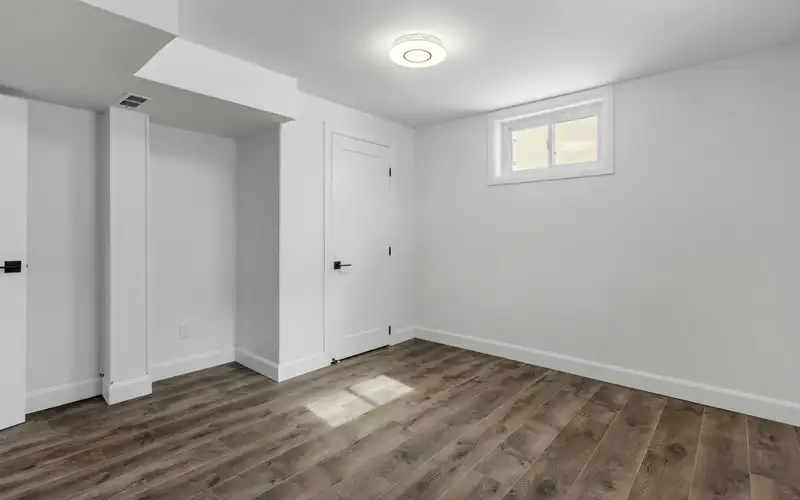
Crawl Spaces & Finishing
Damp crawl spaces sealed up, and dry basements turned into finished space with the right permits.
Not sure what it needs?
(978) 800-2819Tell us whether the water seeps, drips or backs up through a drain, and we'll help you sort out which kind of job it is.
Permits
Permits and rules for basement work in Nashua
The Building Safety Department on the second floor of City Hall, 229 Main Street, issues building permits, with the permit desk open 8 to 4:30 (Building Safety Department). There is no online portal: the Building and Land Use Permit Application and the electrical, mechanical and plumbing forms are fillable PDFs sent in by email, and the city notes they don't work on phones (Permits).
- Building Safety Department
- City Hall, 2nd floor, 229 Main St; 603-589-3080
- How to file
- Fillable PDF forms sent by email; no online portal
- Inspections
- Monday to Friday, 8:30 am to 3:30 pm
- Fees
- Set by Ordinance O-21-045
- Sewer backups
- Wastewater Department, 603-589-3560
- Flood zones
- Permit for all development in a special flood hazard area
Which basement jobs need a permit. The city's permits page doesn't say whether finishing a basement, adding an egress window or repairing a foundation needs a building permit, and the fee amounts set by Ordinance O-21-045 are posted only as images we couldn't read (fee spreadsheet). Call the department before the job is scheduled. The residential mechanical form dated May 2021 shows how the city handles trade permits: a $50 non-refundable application fee, and work started without a permit carries a 100% surcharge, up to $275 (mechanical permit form). Inspections run Monday to Friday, 8:30 am to 3:30 pm, and can be requested online, by email or by phone.
Code edition. The department's page says HB 1159, signed May 8, 2026, moved New Hampshire to the 2024 codes on July 1, 2026, with a grace period through December 31, 2026 (Building Safety Department). Ask which edition your permit falls under.
Contractor rules. The state Attorney General's office puts it plainly: "In New Hampshire, contractors do not need to be licensed." It advises a written contract before any work or payment, covering the scope, materials, total price and payment schedule, and calls a down payment above 50% of the final cost a warning sign (NH Attorney General). Plumbers and electricians are the exception and must be licensed, with exemptions for an owner working on their own single-family home (Mec 300; RSA 319-C). On a contract over $5,000, the contractor must give you written notice of the state's defect-resolution law, and you must give the contractor written notice at least 60 days before suing (RSA 359-G). Digging outside for a drain or footing needs a free Dig Safe ticket at least 72 hours ahead, not counting weekends and holidays (Dig Safe; RSA 374:51).
Last verified November 2026. Fees, restrictions and deadlines on this page are due for re-checking by January 2027. New England Basement Pros is a referral service. We don't pull permits or do basement work; the contractor files the permit.
Water
Where the water comes from in Nashua
Where the pump water goes. Nashua's stormwater rules in the Land Use Code list foundation drains and crawl-space pump water as allowable discharges to the city's storm drain system, provided they aren't significant sources of pollutants; other non-stormwater discharges, plus litter and yard waste, are prohibited (Land Use Code §190-215). The sanitary sewer is off limits: state rules say foundation drains and sump pumps "shall not be directly or indirectly connected to a public sewer" (Env-Wq 704), and the city's own sewer use ordinance has sections on unpolluted water as well (Chapter 255). Ask the city where your line should end.
Combined sewers and backups. Nashua has nine combined sewer overflow outfalls, including Farmington Road, Burke Street, East Hollis Street and Bridge Street, that overflow to the Merrimack and Nashua Rivers in heavy rain; the city posted a 2025 annual update on its nine minimum controls for CSOs (Combined Sewer Overflows). If sewage comes up in the basement, the city asks you to call 603-589-3560 first so crews can check the main. The owner owns and maintains the entire building sewer from the house to the city main, including under the street, and the city suggests considering a backflow preventer (Sewer Problems). Those building sewers are, in most cases, as old as the building (Building Sewers Need Maintenance).
Flood zones. Nashua's Floodplain Development Ordinance adopts the Hillsborough County flood study and maps dated September 25, 2009, with revised panels dated April 18, 2011. All development in a special flood hazard area needs a permit, the Elevation Certificate must show the lowest floor including the basement, and residential electrical, heating, ventilation, plumbing and air conditioning equipment must sit at least one foot above the base flood elevation (Floodplain Development Ordinance). That matters before finishing a basement near either river. Look up your address on FEMA's Flood Map Service Center.
Wetland buffers. The Land Use Code sets buffers of 75 feet for primary wetlands, 40 feet for critical wetlands and other wetlands over 9,000 square feet, 20 feet for wetlands of 3,000 to 9,000 square feet and intermittent streams, and at least 100 feet for vernal pools. Work in a wetland or buffer needs a special exception, and grading within 100 feet of a wetland is reviewed against performance standards (§190-112; §190-115). Regular use, maintenance and repair of existing buildings is exempt (§190-114), but an outside drain trench or regrading may not be.
Nashua's homes
The oldest houses are downtown
The city's FY2026–2030 Consolidated Plan places "the oldest housing stock" in the city center and downtown, and counts 45% of residential properties as one-unit detached houses (Consolidated Plan). In those older blocks, the building sewer under the yard is likely as old as the house, which is worth having camera-checked when a basement keeps getting wet from below.
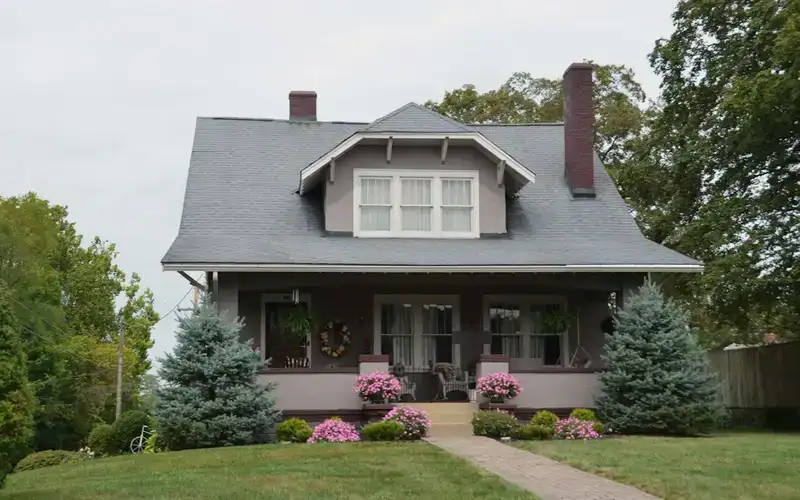
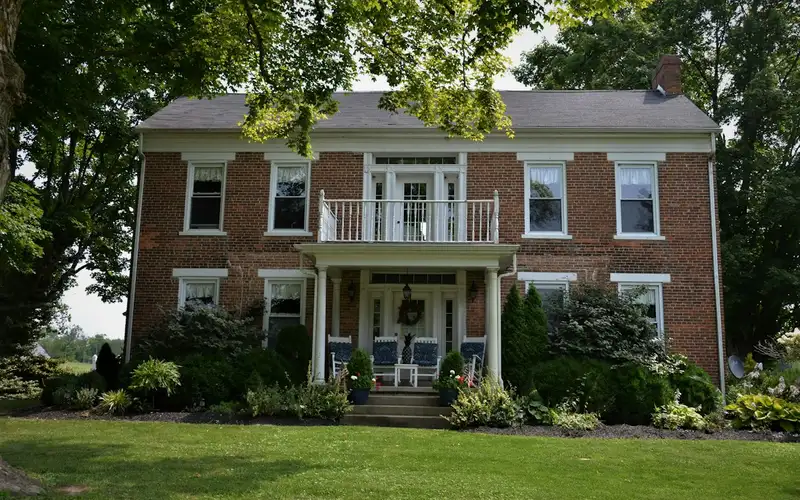
Inside the Historic District overlay, the Historic District Commission reviews building permit applications, including exterior treatment and other construction, repairs and alterations; ordinary maintenance that doesn't change the appearance is exempt (Land Use Code; Historic District rules). Since Ordinance O-23-059 (December 13, 2023), every commission application gets a public hearing (O-23-059). A new bulkhead or window well on a house in the district should go to the commission early.
Radon
Radon in Nashua basements
There's no state radon figure for Nashua itself, and the state's August 2023 data brief doesn't give Hillsborough County a median. Statewide, about 37% of the 32,747 homes tested from 2007 to 2021 were at or above 4 pCi/L (NH radon data brief). The state Radon Program offers free test kits at (603) 271-1708 and says to test in the lowest livable area; EPA recommends fixing at 4 pCi/L or higher, and the state suggests considering mitigation from 2 to 4. New Hampshire doesn't license mitigation contractors (testing your home).
FAQ
Nashua basement questions
Where can my foundation drain or crawl-space pump discharge in Nashua?
Nashua's Land Use Code lists foundation drains and crawl-space pump water among the allowable non-stormwater discharges to the city's storm drain system, as long as they aren't significant sources of pollutants. State rules bar sump pumps and foundation drains from the public sewer. Confirm the outlet with the city before the work starts.
Who is responsible when the sewer backs up into my basement?
The city says the owner owns and maintains the whole building sewer, from the house to the city main, including the part under the street. Call 603-589-3560 first so crews can check the main. The city also suggests considering a backflow preventer.
Does a basement in a Nashua flood zone need anything special?
Yes. The city's floodplain ordinance requires a permit for all development in a special flood hazard area, an Elevation Certificate showing the lowest floor including the basement, and residential heating, electrical, plumbing and similar equipment at least one foot above the base flood elevation.
Can I regrade or dig near a wetland on my lot?
Check the buffer first. Nashua's buffers run from 20 to 75 feet depending on the wetland, and 100 feet for vernal pools; work in a wetland or buffer needs a special exception, and grading within 100 feet of a wetland is reviewed against performance standards.
What does it cost me to use New England Basement Pros?
Nothing. Asking is free for homeowners; the contractor prices the job, and the price and contract are between you and them.
Nearby