
Home › Massachusetts › North Reading
Foundation Repair and Basement Waterproofing in North Reading, MA
North Reading's own hazard plan says water often sits perched above a layer of dense hardpan, and that many of its soils stay wet in spring from a seasonally high water table. Call (978) 800-2819 or use the form. A person reads every request and replies with what happens next.
- Free for homeowners
- State registration checked first
- Martins Pond to the Ipswich River
Ask About Basement Service in Your Area
Tell us about the house and what the basement is doing. A person reads it and replies with what happens next.
Please add your name, a 10-digit phone number and a valid email.
Your request didn't go through on our end. Please call (978) 800-2819 so it isn't lost.
Too many requests have come from this connection in a short time. Please call (978) 800-2819 and we'll take it from there.
We couldn't finish the spam check. Wait a moment and send it again, or call (978) 800-2819.
Basement work in North Reading
What does the basement need?
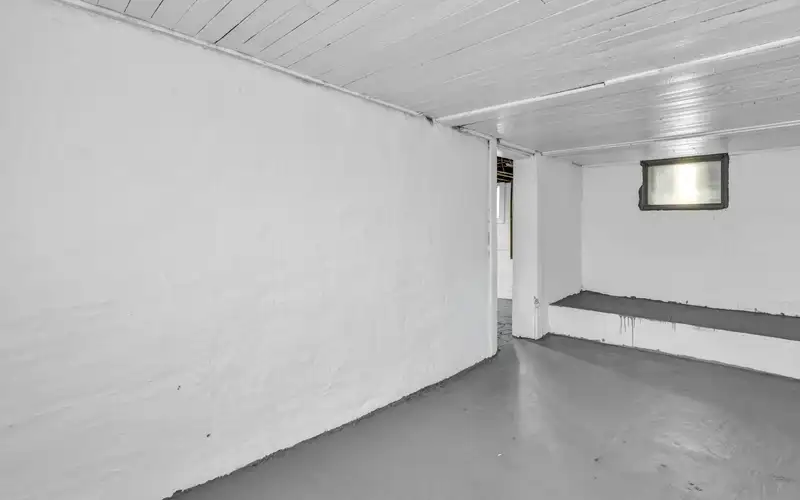
Waterproofing & Drainage
Wet walls, seepage at the floor joint and spring water in the basement, handled with interior drains, exterior work or both.
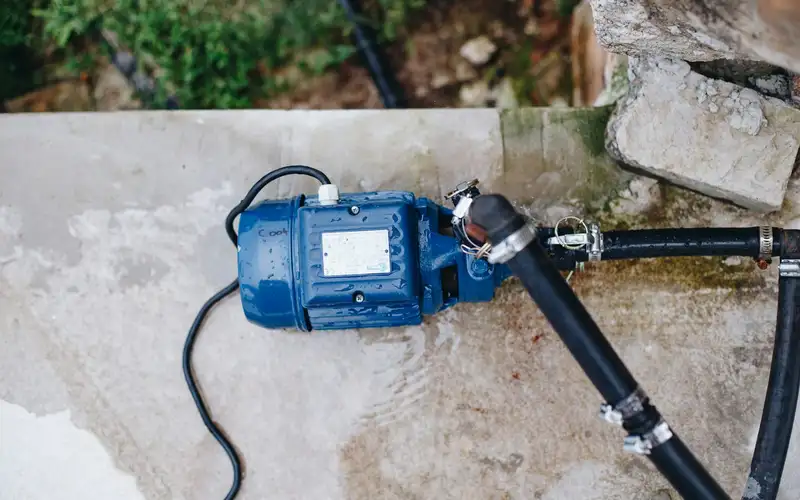
Sump Pumps
New pits, replacement pumps and battery backups, with the discharge going somewhere your town allows.
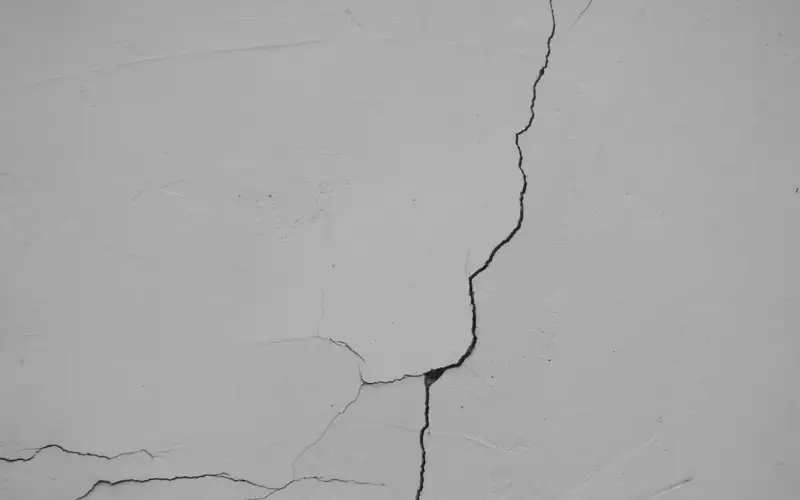
Foundation Cracks & Repair
Leaking cracks, bowing or settling walls and failing mortar in old fieldstone, with an engineer brought in when the job is structural.
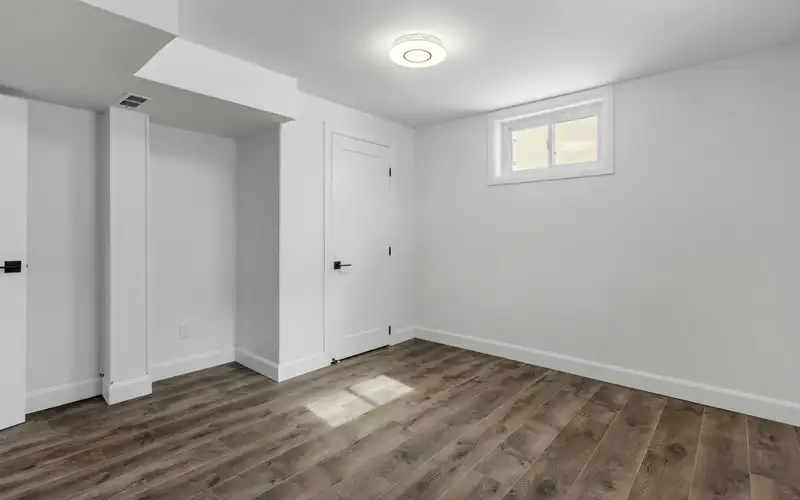
Crawl Spaces & Finishing
Damp crawl spaces sealed up, and dry basements turned into finished space with the right permits.
Not sure what it needs?
(978) 800-2819Tell us when the house was built and what time of year the water appears, and we'll help you work out the job.
Permits
Permits and rules for basement work in North Reading
North Reading's Building Department is in Town Hall, 235 North Street, 978-357-5240, open Monday to Thursday 8 to 4 and Friday 8 to 1 (Building Department). Applications are filed online through PermitEyes, and the town asks applicants to upload their license and liability insurance, with the Town of North Reading listed as certificate holder, on all applications (Building Department).
- Building Department
- Town Hall, 235 North Street, 978-357-5240
- Apply
- PermitEyes online, with license and liability insurance
- Residential building permit
- $13 per $1,000, $75 minimum (revised November 1, 2024)
- Re-inspection
- $75
- Sewer
- None; homes are on septic
- Floodplain district
- Community Planning Commission special permit for alterations or earth moving
What needs a permit. The town's pages don't name basement finishing, foundation repair, waterproofing or egress windows, so check with the Building Department before that work starts. Under fees revised November 1, 2024, a residential building permit is $13 per $1,000 with a $75 minimum, a re-inspection is $75, a stop work order is $100, and residential plumbing renovations start at $85 plus $10 for each additional fixture (Permit Fees). Plumbing and gas inspection calls are taken Monday to Friday 7 to 8 am (Inspectors).
State rules. Contractors on an existing one- to four-family owner-occupied home generally need Home Improvement Contractor registration; look them up on the state's Contractor Hub. A licensed construction supervisor or registered design professional must oversee permitted construction on a one- or two-family house (construction supervisor rules). Contracts over $1,000 must be written, and the deposit is capped at a third of the price unless special-order materials cost more; the contract must also spell out any three-day cancellation rights that apply (M.G.L. c.142A §2). For a cracked wall that is bowing or moving, have a structural engineer look before a repair is chosen.
Last verified November 2026. Fees, restrictions and deadlines on this page are due for re-checking by May 2027. New England Basement Pros is a referral service. We don't pull permits or do the work; the contractor you hire files the permit.
Ground and water
Where the water comes from in North Reading
Hardpan and perched water. The town's November 2021 Hazard Mitigation Plan update, posted as a public review draft, says dense basal till, or hardpan, slows infiltration so water "is often perched in the soil above the dense till layer," that soils with it are often wet in spring, and that most remaining soils are moist to wet from poor drainage, shallow bedrock or a seasonally high water table. It adds that new construction has, in some cases, increased flooding on neighboring lots (Hazard Mitigation Plan update, 2021 draft). The 2013 Open Space and Recreation Plan says "Infiltration is extremely slow through the hardpan" and describes stony, boulder-filled ground (2013 OSRP).
No sewer, so watch the septic. The Select Board voted May 20, 2024 to "terminate planning activities for a wastewater connection to Greater Lawrence Sanitary District" (Sewer Information). The Board of Health's local rules keep leach fields 20 feet from foundations, 75 feet from drains and wetlands, and 100 feet from catch basins (Chapter 3 Local Regulations), so a sump or foundation drain outlet should be planned away from the field.
Storm drains. The stormwater bylaw prohibits non-stormwater discharges to the town drains but lists "uncontaminated pumped groundwater" among allowed ones; blocking normal flow into or out of the drainage system needs prior written approval, and fines run from a warning to $200, each day separate (Stormwater bylaw). The town doesn't say online whether a sump line may run to the street, so ask the DPW first.
Floods and insurance. The Ipswich River forms the southern boundary; the Skug River flows into Martins Pond and Martins Brook carries it on to the Ipswich. The 2021 draft plan counts National Flood Insurance policies falling from 82 in 2016 to 43 in 2021 while "The flood risk has not significantly decreased," and repeats the 2018 resilience plan's concern about flooding from Martins Pond (2021 draft plan). The town's floodplain bylaw cites the June 4, 2010 map and requires a special permit for alterations, filling or earth moving in the district (Floodplain District). FEMA's newer Middlesex County maps took effect July 8, 2025 (FEMA notice), so check your address on FEMA's Flood Map Service Center; flood insurance doesn't cover finished basement walls, floors or most belongings (FEMA).
Martins Pond
Flooding from the pond is a named concern in the town's resilience and hazard plans.
Martins Brook
Carries Martins Pond to the Ipswich River, with a floodway operation and maintenance plan from 2014.
Ipswich River
The town's southern boundary.
North Reading's houses
A 1950s building boom on stony ground
Only about 7% of North Reading's housing predates World War II, and the 1950s were its biggest building decade, with 959 units, followed by 838 in the 1960s (Housing Production Plan, April 2018). Many basements are of that era and sit in till that drains slowly, so find out whether water is coming through the walls or up from below before choosing a fix.
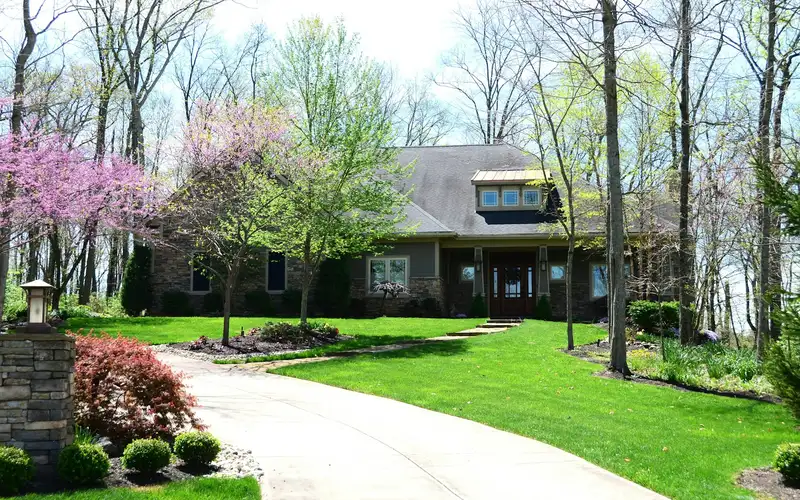
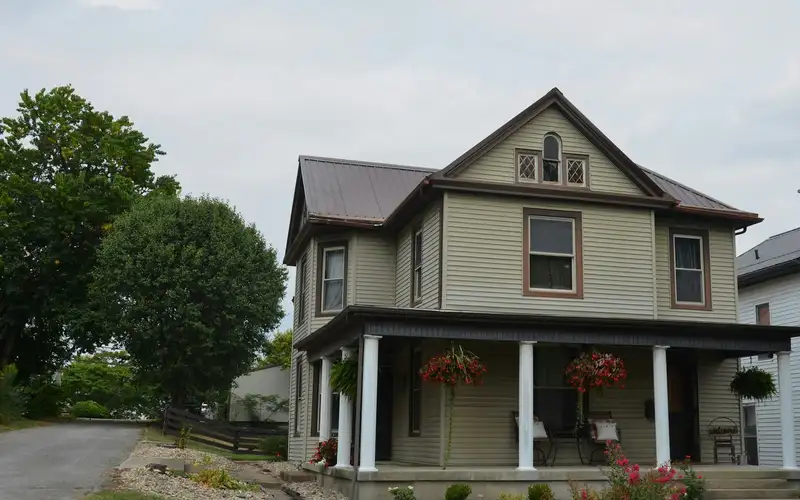
Center Village Historic District. Nine buildings in the old town center form a local historic district, and the Historic District Commission must approve any exterior alterations (Historic District Commission); its definition of structure includes walls, terraces and walks (Historic district bylaw).
Wetlands. The local Wetlands Protection Bylaw protects land within 100 feet of resource areas, including flood-prone land, and bars removing, filling, dredging or altering it without permission, with fines of $25, $100 and $300 for first, second and later offenses, each day counted separately (Wetlands Protection Bylaw). The Conservation Commission keeps a 12-foot no-disturb zone (Conservation Commission buffer guidance). Digging along a foundation also needs premarking and a Dig Safe notice at least 72 hours ahead, not counting weekends and holidays (M.G.L. c.82 §40A).
Radon
Radon in North Reading's basements
North Reading is in Middlesex County, where Massachusetts requires a passive radon system in new one- and two-family homes because the EPA generally rates the county among the highest for radon potential (MA EPHT residential radon). The rule applies to homes built after January 2, 2015 (Radon in the Home), which leaves out the 1950s and 1960s houses. The state health department advises testing at the lowest livable level between November 1 and March 31 and mitigating at 4.0 pCi/L or above (Testing your home for radon).
FAQ
North Reading basement questions
Is there a public sewer in North Reading?
No. The Select Board voted on May 20, 2024 to end planning for a wastewater connection to the Greater Lawrence Sanitary District, so homes stay on septic systems.
Where can sump pump water go in North Reading?
The town's stormwater bylaw bans most non-stormwater discharges to its storm drains but lists uncontaminated pumped groundwater as allowed, and blocking flow into or out of the drainage system needs written approval. Board of Health rules keep leach fields 75 feet from drains, so keep sump water clear of the septic system and ask the DPW where to route it.
Do I need a permit to regrade in the floodplain?
Yes. Altering or enlarging a structure, or filling or moving earth, in the floodplain district needs a Community Planning Commission special permit, plus a Conservation permit and an engineer's no-rise certification. The bylaw cites 2010 maps, but FEMA's newer maps took effect July 8, 2025 (FEMA notice), so check your address first.
How much is a building permit in North Reading?
Under fees revised November 1, 2024, a residential building permit is $13 per $1,000 with a $75 minimum, and a re-inspection is $75. Applications go through PermitEyes.
What does it cost me to use New England Basement Pros?
Nothing. Asking is free for homeowners; the contractor prices the job, and the price and contract are between you and them.
Nearby