
Home › Massachusetts › Reading
Foundation Repair and Basement Waterproofing in Reading, MA
Reading's own open space plan calls the town flat and often marshy, with swamps, wetlands and floodplain covering more than 30% of its land, so a damp basement here usually has the ground to thank. Call (978) 800-2819 or use the form. A person reads every request and replies with what happens next.
- Free for homeowners
- State registration checked first
- Cedar Swamp edges to Walkers Brook
Ask About Basement Service in Your Area
Tell us about the house and what the basement is doing. A person reads it and replies with what happens next.
Please add your name, a 10-digit phone number and a valid email.
Your request didn't go through on our end. Please call (978) 800-2819 so it isn't lost.
Too many requests have come from this connection in a short time. Please call (978) 800-2819 and we'll take it from there.
We couldn't finish the spam check. Wait a moment and send it again, or call (978) 800-2819.
Basement work in Reading
What's going on in the basement?
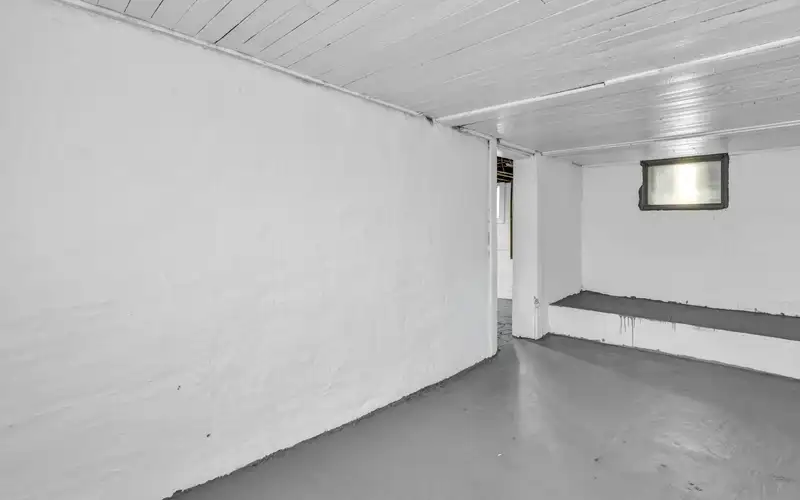
Waterproofing & Drainage
Wet walls, seepage at the floor joint and spring water in the basement, handled with interior drains, exterior work or both.
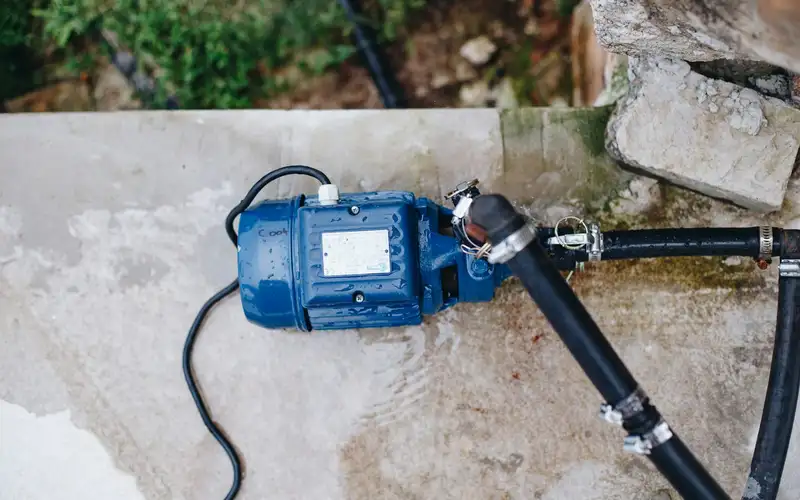
Sump Pumps
New pits, replacement pumps and battery backups, with the discharge going somewhere your town allows.
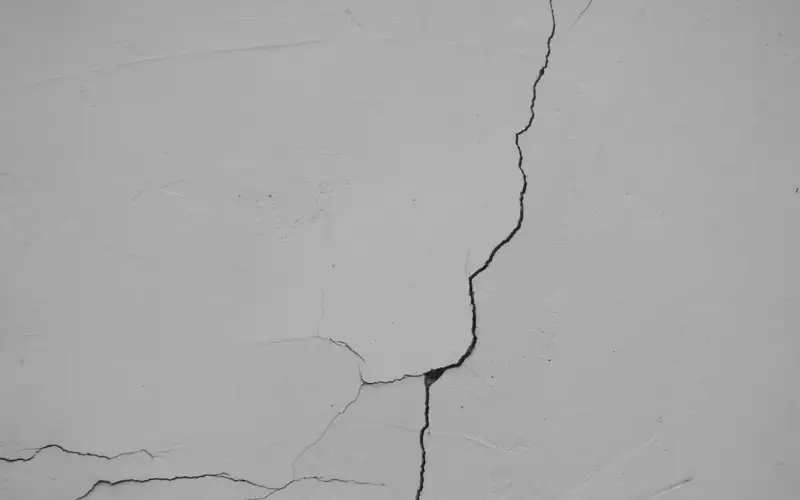
Foundation Cracks & Repair
Leaking cracks, bowing or settling walls and failing mortar in old fieldstone, with an engineer brought in when the job is structural.
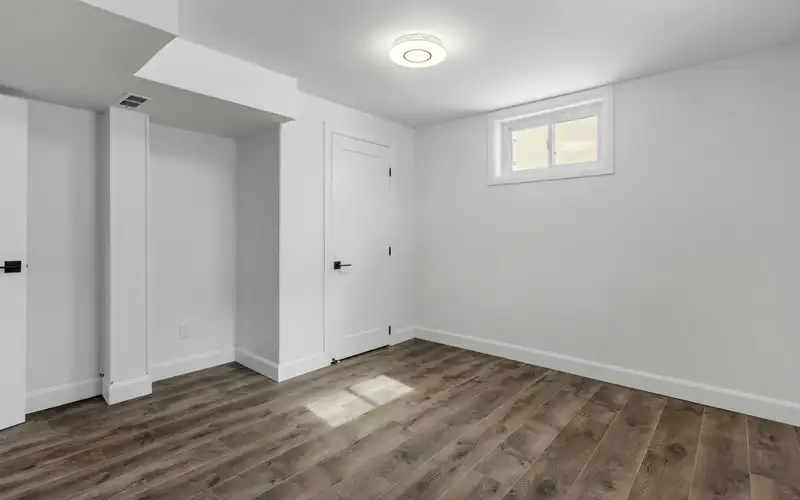
Crawl Spaces & Finishing
Damp crawl spaces sealed up, and dry basements turned into finished space with the right permits.
Not sure what it needs?
(978) 800-2819Tell us where the water shows up and when, and we'll help you work out what kind of job it is.
Permits
Permits and rules for basement work in Reading
Reading's Building Division works out of Town Hall at 16 Lowell Street, which is closed on Fridays. Building permit applications go in online through the town's OpenGov system (Permitting Application Information).
- Building Division
- Town Hall, 16 Lowell Street; Town Hall closed Fridays
- File online
- OpenGov
- Basement finishing
- Building Department site visit before the permit; plans show head height, insulation, heat and egress windows
- Over 1,000 sq ft
- Fire Department approval for smoke detectors
- Building fee
- $13 per $1,000 of construction value, $50 minimum (August 2024 schedule)
- Work started without a permit
- Fee doubled
Finishing a basement. Reading is unusually specific here. The permitting page says an attic or basement renovation needs a site visit by the Building Department before the permit is issued, and the plans have to show head height, insulation, heat and egress windows before an inspection is scheduled. A renovation over 1,000 square feet also needs Fire Department approval for smoke detectors. For the final inspection, the permit card and a Completion of Construction affidavit go into OpenGov (Permitting Application Information). The page doesn't mention waterproofing, sump pumps or foundation repair, so ask the Building Division whether your job needs a permit before work starts.
Posted fees. Reading's building permit fees, dated August 2024, charge residential work $13 per $1,000 of construction value with a $50 minimum, $50 for a re-inspection, and double the fee for work started without a permit (Building Permit Fees). Plumbing and gas fees, revised July 1, 2024, also double for work started without a permit (Plumbing/Gas Permit Fees).
State rules. Massachusetts code allows a basement ceiling as low as 6 feet 8 inches in habitable space, and a single- or double-hung egress window needs at least 3.3 square feet of clear opening (780 CMR Chapter 3). Contractors working on an existing one- to four-family owner-occupied home generally need Home Improvement Contractor registration, which you can check on the state's Contractor Hub, and on a one- or two-family home a licensed construction supervisor or a registered design professional must oversee permitted construction (construction supervisor rules). Any job over $1,000 needs a written contract, and the deposit can't be more than a third of the price unless special-order materials cost more (M.G.L. c.142A §2). The state code doesn't require an engineer for every foundation repair, but the building official can ask for more construction documents (780 CMR Chapter 1), and a wall that's moving or cracked in a way that worries you is a question for a structural engineer.
Last verified November 2026. Fees, restrictions and deadlines on this page are due for re-checking by November 2027. New England Basement Pros is a referral service. We don't pull permits or do the work; the contractor you hire files the permit.
Ground and water
Where the water comes from in Reading
Reading sits where three watersheds meet, the Ipswich, the Aberjona (Mystic) and the Saugus. The town's 2022–2029 Open Space and Recreation Plan describes the land as relatively flat and often marshy, with muck and peat deposits, especially in North and South Cedar Swamps and Timberneck Swamp, and notes that many parks and playing fields were built on filled wetlands. Swamps, wetlands and floodplain cover more than 30% of the town (Open Space and Recreation Plan 2022–2029). On ground like that, water can stay in the soil around a foundation long after the rain stops.
Sewer and sump water. The town sewer serves about 98% of properties and flows to the MWRA, and a home whose septic system fails has to convert to the public sewer (Housing Production Plan 2023). We found no posted Reading rule on where a sump pump may discharge. State rules count a sump pump connected to the sewer as inflow, and MassDEP requires local sewer regulations to prohibit inflow connections (MassDEP on infiltration and inflow), so ask Reading's DPW where the discharge can go before a new pump goes in.
Flood maps. Look up your address on FEMA's Flood Map Service Center. Reading's hazard mitigation plan is approved through April 11, 2029, according to the state's list as of December 19, 2024 (state plan list).
Ipswich River
The 2022–2029 plan maps a 1% annual chance flood hazard area along the river on the town's north side.
Bear Meadow Brook
Also in the north, with its own 1% flood hazard area in the same plan.
Walkers Brook
The third brook the plan names with a 1% flood hazard area.
Cedar and Timberneck Swamps
Where the plan says muck and peat deposits were most notable in town.
Reading's houses
Old foundations, historic streets and wetland buffers
A third of Reading's homes were built before 1940 and more than half before 1960 (Housing Production Plan 2023). With a basement that age, have the contractor find out what the walls are made of and exactly where the water gets in before you choose between interior drains, exterior work or both.
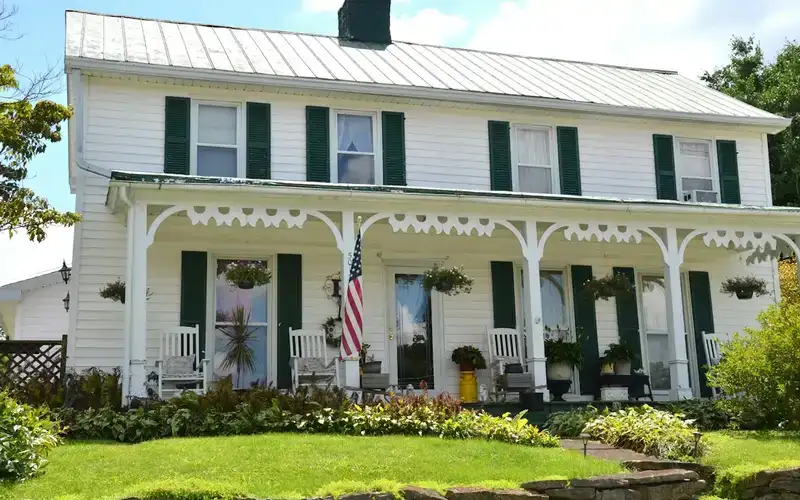
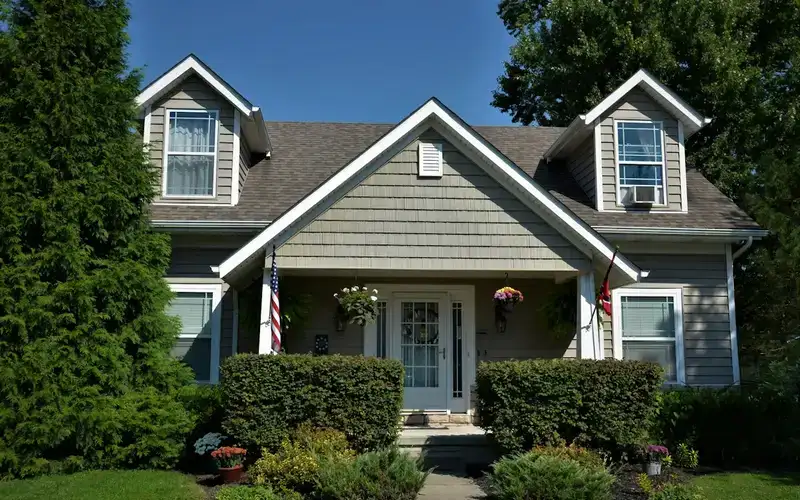
Historic districts. Reading has local historic districts on West Street, established in 2005, and in the Summer Avenue area (General Bylaw §7.3). If your house is in one of them, check with the Historic District Commission before regrading or adding anything visible outside, such as a window well or bulkhead.
Digging near wetlands. Exterior waterproofing means excavation, and in Reading that often means wetland rules. The Conservation Division asks for approval before grading, filling or changing runoff within 100 feet of a wetland, lake or pond, 200 feet of a river or stream, or in the 100-year floodplain (Conservation Division). The December 2023 Wetlands Protection Regulations keep a 25-foot zone of natural vegetation, and machine excavation, filling or grading in the buffer zone isn't eligible for the $50 minor project path (Wetlands Protection Regulations). Before any digging, the contractor should premark the area and notify Dig Safe at least 72 hours ahead, not counting weekends and holidays (M.G.L. c.82 §40A).
Radon
Testing a Reading basement for radon
Reading is in Middlesex County, one of the three Massachusetts counties where new one- and two-family homes must have a passive radon mitigation system, because the EPA generally rates them highest for radon potential (MA EPHT residential radon). The state health department says to test at the lowest livable level between November 1 and March 31, and strongly recommends a mitigation system at 4.0 pCi/L or above (Testing your home for radon). If you're about to finish the basement, test first.
FAQ
Reading basement questions
Do I need a permit to finish my basement in Reading?
Yes. Reading's Building Division says a basement renovation needs a site visit by the Building Department before the permit is issued, and the plans must show head height, insulation, heat and egress windows. Applications are filed online through OpenGov.
What if the finished basement is over 1,000 square feet?
Then the Fire Department has to approve the smoke detectors as well. Massachusetts requires photoelectric smoke alarms and a carbon monoxide alarm on every level, basements included.
Can I run my sump pump into the sewer in Reading?
We found no posted Reading rule on where sump water may go. Under state rules, MassDEP requires local sewer regulations to prohibit inflow connections, and it counts sump pumps tied into the sewer as inflow. Ask the DPW before a contractor routes the discharge.
Does digging near a wetland in Reading need approval?
Usually. The Conservation Division asks for approval before grading, filling or changing runoff within 100 feet of a wetland, lake or pond, 200 feet of a river or stream, or in the 100-year floodplain. Machine excavation in the buffer zone can't use the $50 minor project route.
What does it cost me to use New England Basement Pros?
Nothing. Asking is free for homeowners; the contractor prices the job, and the price and contract are between you and them.
Nearby