
Home › Massachusetts › Wilmington
Foundation Repair and Basement Waterproofing in Wilmington, MA
Wilmington lists clean sump pump discharge and foundation drains among the flows allowed into its storm drains, and the DPW has a permit for connecting them to the town system. Call (978) 800-2819 or use the form. A person reads every request and replies with what happens next.
- Free for homeowners
- State registration checked first
- Martins Brook to Lubbers Brook
Ask About Basement Service in Your Area
Tell us about the house and what the basement is doing. A person reads it and replies with what happens next.
Please add your name, a 10-digit phone number and a valid email.
Your request didn't go through on our end. Please call (978) 800-2819 so it isn't lost.
Too many requests have come from this connection in a short time. Please call (978) 800-2819 and we'll take it from there.
We couldn't finish the spam check. Wait a moment and send it again, or call (978) 800-2819.
Basement work in Wilmington
What kind of basement problem is it?
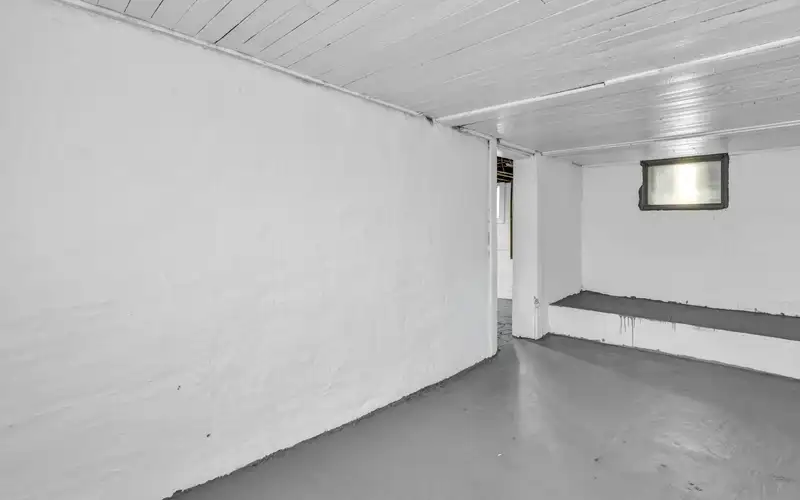
Waterproofing & Drainage
Wet walls, seepage at the floor joint and spring water in the basement, handled with interior drains, exterior work or both.
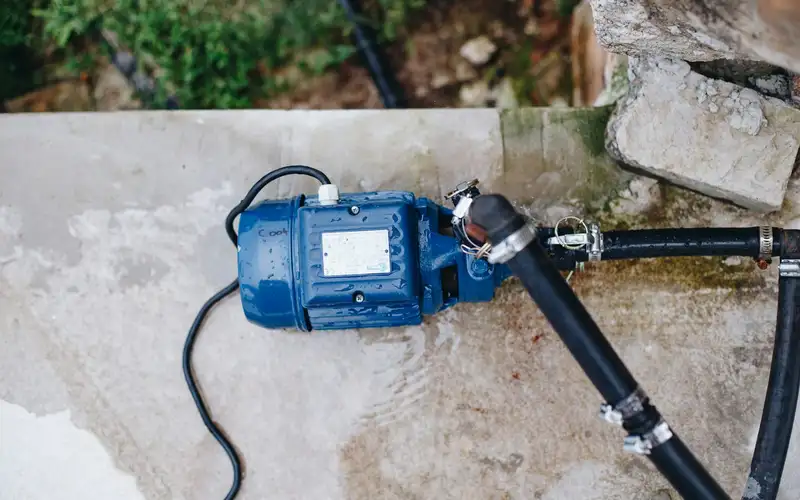
Sump Pumps
New pits, replacement pumps and battery backups, with the discharge going somewhere your town allows.

Foundation Cracks & Repair
Leaking cracks, bowing or settling walls and failing mortar in old fieldstone, with an engineer brought in when the job is structural.
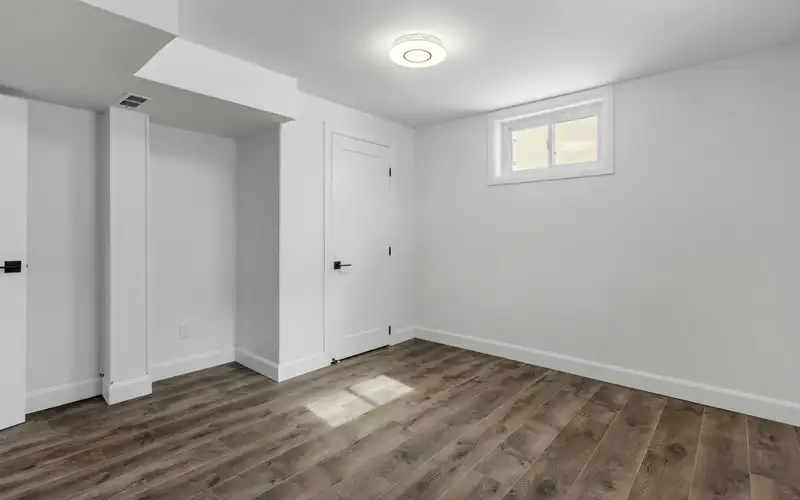
Crawl Spaces & Finishing
Damp crawl spaces sealed up, and dry basements turned into finished space with the right permits.
Not sure what it needs?
(978) 800-2819Tell us whether you're on septic or sewer and when the water comes in, and we'll help you work out the job.
Permits
Permits and rules for basement work in Wilmington
Wilmington's Building Inspector is in Town Hall, 146 Middlesex Avenue, Room 202, 978-658-4531, open Monday, Wednesday and Thursday 8:30 to 4:30, Tuesday 8:30 to 7 and Friday 8 to 12:30. Property taxes must be certified current before any permit is issued, and since May 1, 2026 plumbing and gas permits need a copy of the updated license (Building Inspector).
- Building Inspector
- Town Hall, 146 Middlesex Avenue, Room 202, 978-658-4531
- Before any permit
- Property taxes certified current
- Fees
- Confirm with the office; the posted schedule is undated
- Storm drain connection
- DPW permit to connect a non-illicit source, 978-658-4481
- Floodplain district
- Board of Appeals special permit for grading, filling or excavating
- Stormwater
- Simple Stormwater Management Permit can hold a building permit
What needs a permit. The town pages don't name basement finishing, foundation repair, waterproofing or egress windows, so call the Building Inspector before that work starts. The fee schedule posted online is undated and shows the office's old address, so confirm current fees with the office rather than relying on it. If a project needs a Simple Stormwater Management Permit, the town asks for a certified plot plan with infiltration details, and the building permit can be held while Planning reviews it (SSMP checklist).
State rules. Contractors on an existing one- to four-family owner-occupied home generally need Home Improvement Contractor registration; check it on the state's Contractor Hub. A licensed construction supervisor or registered design professional must oversee permitted construction on a one- or two-family house (construction supervisor rules). Jobs over $1,000 need a written contract, and the deposit can't be more than a third of the price unless special-order materials cost more (M.G.L. c.142A §2). In a flood hazard area the state code requires documents sealed by a registered design professional (780 CMR R322.1). A wall that is bowing or moving calls for a structural engineer before a repair is chosen.
Last verified November 2026. Fees, restrictions and deadlines on this page are due for re-checking by May 2027. New England Basement Pros is a referral service. We don't pull permits or do the work; the contractor you hire files the permit.
Ground and water
Where the water comes from in Wilmington
Where sump water may go. Wilmington's illicit discharge page lists "uncontaminated pumped groundwater (includes clean sump pump discharges)," foundation drains and rising groundwater among the discharges allowed into the storm drain system, and notes that fines have already been assessed under the bylaw (Illicit Discharge Detection and Elimination). The DPW posts a Permit to Connect Non-Illicit Source to Municipal Drainage System; call 978-658-4481 for what it requires (DPW Stormwater). Where the town has MWRA sewer, sump pumps connected directly to it are not allowed (MWRA).
A mostly septic town. The 2015 Open Space and Recreation Plan puts about 82% of the town on septic and about 18% on sewer (2015 OSRP). The Board of Health's septic regulations, last revised January 17, 2023, set the lowest floor at least 2 feet above adjusted springtime high water for septic designs and stop perc and water-table testing after November 30 (Board of Health regulations). Keep sump water away from the septic system and ask the Board of Health if you aren't sure where the line should run.
High groundwater. The town's Municipal Vulnerability Preparedness plan, June 2021, says Wilmington is "largely dependent on on-site septic systems" and that "high groundwater makes building additional septic tanks difficult," and it flags low spots with a high water table that don't appear on FEMA maps (2021 MVP plan). The 2015 plan describes Deerfield soils with a water table within 1.5 to 2 feet for four to five months in winter and early spring, hardpan about 1.5 to 2 feet down in Millis-Woodbridge soils, and ledge outcrops along the Burlington line, near I-93 and in the Town Forest (2015 OSRP).
Flood maps. The floodplain section of the zoning bylaw cites the flood map dated July 6, 2016; it prohibits new construction, filling or excavation in the floodway and needs a Board of Appeals special permit for grading, filling or excavating elsewhere in the district (Zoning Bylaw §6.2). FEMA's newer Middlesex County maps took effect July 8, 2025 (FEMA notice), so check your address on FEMA's Flood Map Service Center rather than an older panel.
Martins Brook and Route 62
A culvert with a history of flooding, and Brown's Crossing frequently flooded, per the 2021 plan.
Lubbers Brook
Rises up to 6 inches over Glen Road, and Concord Street overtops by up to 4 inches.
Wildwood Street and Philips Avenue
Flash flooding named in the same plan.
Ainsworth Road and Andover Street
Culverts hit by the 2006 Mother's Day storm; the plan places the DPW buildings in the 100-year floodplain.
Wilmington's houses
Single-family homes, many on septic since the 1960s
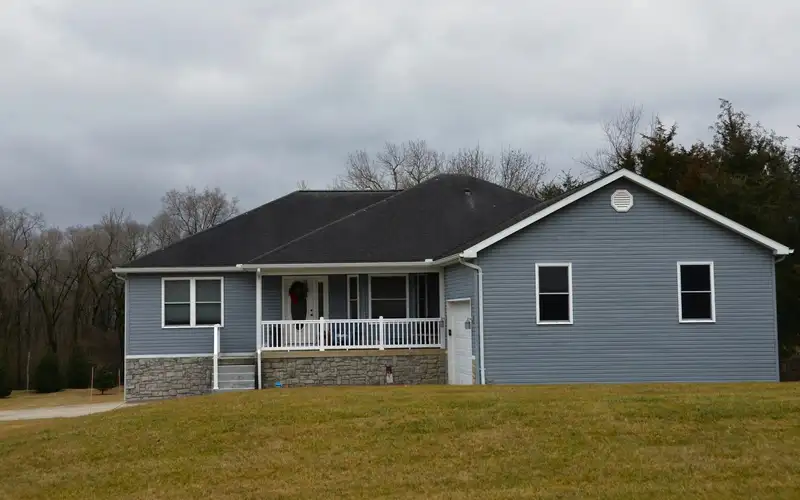
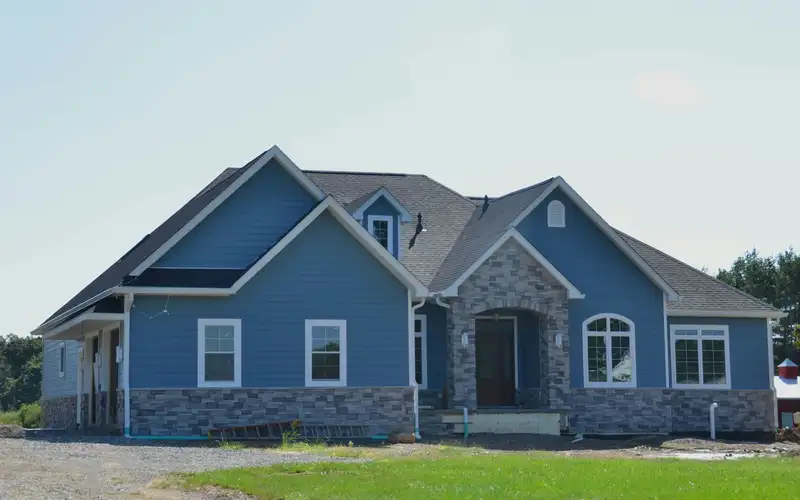
Single-family homes make up about 90% of Wilmington's housing, and construction peaked at 190 homes in 1994 (2015 OSRP). The 2021 resilience plan notes that many septic tanks date from the 1960s (2021 MVP plan). On ground that stays wet into spring, a basement's drainage and the septic system sit close together, so plan any interior drain or sump outlet with both in mind.
Wetlands. About 19% of the town is wetland (2015 OSRP). The Conservation Commission's fact sheet uses a 100-foot buffer and 200-foot riverfront and says changing a property's drainage or water flow needs Commission review (Wetlands fact sheet). Under the 2006 Wetlands Enforcement By-Law, unpermitted work in the buffer draws fines of $25, $50 and $300, and the Commission can require an after-the-fact filing (Wetlands Enforcement By-Law).
Digging. Exterior waterproofing is excavation, so the contractor premarks the area and notifies Dig Safe at least 72 hours ahead, not counting weekends and holidays (M.G.L. c.82 §40A). Utilities mark only their own lines; private lines are the owner's responsibility (Dig Safe FAQs).
Radon
Radon testing in Wilmington
Wilmington is in Middlesex County, one of the counties where Massachusetts requires passive radon mitigation in new one- and two-family homes because the EPA generally rates them highest for radon potential (MA EPHT residential radon). That covers homes built after January 2, 2015 (Radon in the Home). The state health department advises testing at the lowest livable level between November 1 and March 31 and mitigating at 4.0 pCi/L or above (Testing your home for radon).
FAQ
Wilmington basement questions
Can my sump pump discharge to the storm drain in Wilmington?
Clean discharge can. The town's illicit discharge page lists uncontaminated pumped groundwater, including clean sump pump discharge, and foundation drains among allowed discharges. Connecting to the town drainage system has its own DPW permit; ask the DPW at 978-658-4481 what it requires.
Why is groundwater such a problem in Wilmington?
The town's 2021 resilience plan says high groundwater makes new septic systems difficult and flags low spots with a high water table that aren't on FEMA maps. Its 2015 open space plan describes Deerfield soils with a water table within 1.5 to 2 feet for four to five months of winter and spring.
Which parts of town flood?
The 2021 plan names the Martins Brook culvert on Route 62, Lubbers Brook at Glen Road, Concord Street, Wildwood Street and Philips Avenue, and recalls the 2006 Mother's Day storm and storms in 2006 and 2011.
Can I regrade or dig in the floodplain?
New construction, filling or excavation is prohibited in the floodway, and grading, filling or excavating elsewhere in the floodplain district needs a Board of Appeals special permit. The bylaw text cites 2016 maps, but FEMA's newer maps took effect July 8, 2025 (FEMA notice), so check your address first.
What does it cost me to use New England Basement Pros?
Nothing. Asking is free for homeowners; the contractor prices the job, and the price and contract are between you and them.
Nearby